

Communications & Media Courses


- CIP
- AIA CES
- AICP CM




- CIP
- AIA CES
- AICP CM








Top Communications & Media Instructors
























Master Urban Planning Skills With A Planetizen Courses Subscription.
Sign up
High quality video lessons developed by experts.

Complete course work to receive a certificate from Planetizen.

Test your comprehension with course quizzes.

Access reading lists, articles, and other materials prepared by instructors.
All Communications & Media Courses
US Disability Access Laws for Planners
Explore the key disability rights laws that shape planners' work — including the Americans with Disabilities Act, the Architectural Barriers Act, the Fair Housing Act and the Rehabilitation Act of 1973 — to understand their core provisions.


Planning Implications and Design for AV Futures
Part 2 of this course considers the opportunities and challenges of adopting autonomous vehicles for the future of the built environment, safety and urban development.
Walkable City 5: The Comfortable Walk
To encourage walking, cities must create comfortable, well-designed pedestrian environments — like outdoor living rooms — with clear orientation, shade, tree cover, and cohesive design, achievable through tools like form-based codes, urban forestry plans, and strong urban design.
Walkable City 3: The Safe Walk (A)
Pedestrian deaths are up 78% since 2009. While car use and size are long-term issues, safer street design — like narrower lanes and two-way roads — can reduce speeding now.
Walkable City 2: The Useful Walk
Learn the principal components of “the useful walk,” how zoning can create walkability and boost housing density, and why visual components are key to a walkable city.
Walkable City 1: Why Walkability?
Jeff Speck explains his five principal reasons for building more walkable places — Economics, the Environment, Public Health, Equity, and Social Cohesiveness — arming practitioners with a full range of arguments in favor of pro-walkability planning.
Planning a Municipal Wayfinding System
Often overlooked, wayfinding is important for urban design, accessibility, and economic development. Learn the elements of a successful wayfinding system in this course.
Accessory Dwelling Units: Understanding America’s Newest Housing Typology
Explore the latest ADU policy developments from leading American cities, key challenges and opportunities for increasing or limiting ADU production, first-hand examples, and best practices in ADU affordability programs.
History of City Planning 3: Midcentury Modern (1940-1979)
Discover the impact of World War II and the Cold War in shaping city planning practices and how the tragic destruction and loss of life in World War II somehow created opportunities for planners to test new ideas.
Transit Service Design 101
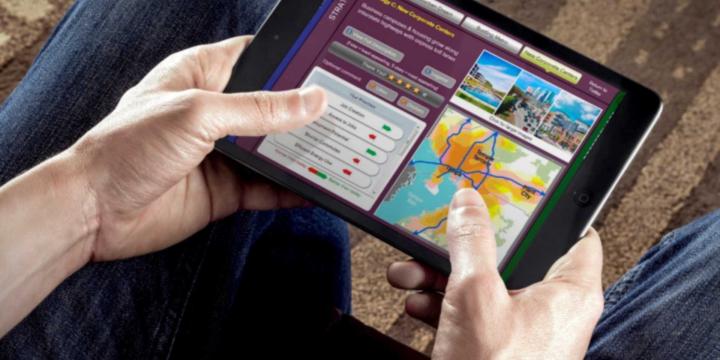
In this course, we will review the principles of transit service design, how resources are allocated and accounted for, and using the Remix software platform, we will design and evaluate a new transit route.
Form-Based Codes 101: Downtowns
Downtowns are the historic center of most American cities. In this course, we will review their role in establishing the past and future character of the city, walking through a series of form-based code case studies across a range of scales and contexts.
Form-Based Codes 101: Corridors
Corridors have historically been a key element of the urban fabric of every American town and city, yet they are also commonly problematic. This course looks at the roots of the problem for examples of how corridors can be designed and coded.
Form-Based Codes 101: Learning How To Look
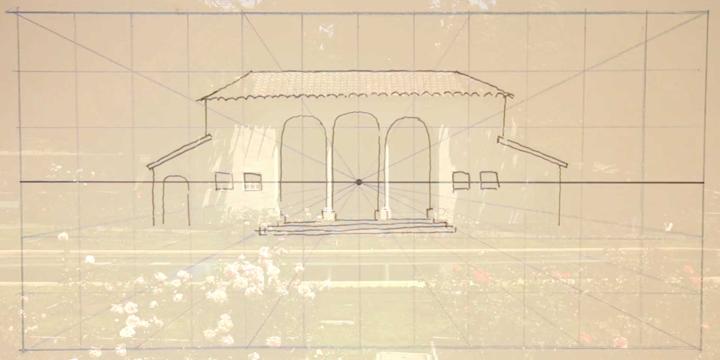
This course will teach you the skills to appreciate and analyze the measures and functions of good urbanism.
Form-Based Codes 101: Introduction
This course defines form-based codes, explains why they were invented, and distinguishes form-based codes from conventional "use-based" zoning ordinances—all with an emphasis on placemaking and walkability. We will provide an overview of the development of form-based codes, their mandatory and optional component parts, and the importance of making form-based codes context or place-specific.