

Walkability Courses

- CIP
- AIA CES
- AICP CM
- SACPLAN CPD


- AIA CES
- AICP CM

- AIA CES
- AICP CM
- CNU-A
- SACPLAN CPD






- CIP
- AIA CES
- AICP CM
- SACPLAN CPD

- AIA CES
- AICP CM
- CNU-A
- SACPLAN CPD



- CIP
- AIA CES
- AICP CM
- CNU-A
- SACPLAN CPD


- AIA CES
- AICP CM
- CNU-A
- CIP
- AIA CES
- AICP CM
- SACPLAN CPD




Top Walkability Instructors
























Master Urban Planning Skills With A Planetizen Courses Subscription.
Sign up
High quality video lessons developed by experts.

Complete course work to receive a certificate from Planetizen.

Test your comprehension with course quizzes.

Access reading lists, articles, and other materials prepared by instructors.
All Walkability Courses
Walkable City 5: The Comfortable Walk
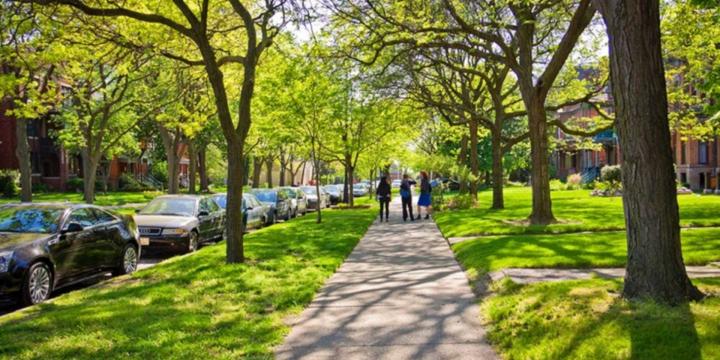
To encourage walking, cities must create comfortable, well-designed pedestrian environments — like outdoor living rooms — with clear orientation, shade, tree cover, and cohesive design, achievable through tools like form-based codes, urban forestry plans, and strong urban design.


Accessory Dwelling Units: Understanding America’s Newest Housing Typology
Explore the latest ADU policy developments from leading American cities, key challenges and opportunities for increasing or limiting ADU production, first-hand examples, and best practices in ADU affordability programs.