

Transportation Courses

- AIA CES
- AICP CM
- CNU-A
- SACPLAN CPD

- CIP
- AIA CES
- AICP CM

- AIA CES
- AICP CM
- CNU-A
- SACPLAN CPD

- AIA CES
- AICP CM



- AIA CES
- AICP CM
- CNU-A
- SACPLAN CPD
- CIP
- AIA CES
- AICP CM
- SACPLAN CPD

- AIA CES
- AICP CM
- CNU-A
- LA CES

- CIP
- AIA CES
- AICP CM
- SACPLAN CPD

- AIA CES
- AICP CM
- AIA CES
- AICP CM
- CNU-A
- SACPLAN CPD

- CIP
- AIA CES
- AICP CM
- SACPLAN CPD

- AIA CES
- AICP CM

- CIP
- AIA CES
- AICP CM
Top Transportation Instructors























Master Urban Planning Skills With A Planetizen Courses Subscription.
Sign up
High quality video lessons developed by experts.

Complete course work to receive a certificate from Planetizen.

Test your comprehension with course quizzes.

Access reading lists, articles, and other materials prepared by instructors.
All Transportation Courses
US Disability Access Laws for Planners
Explore the key disability rights laws that shape planners' work — including the Americans with Disabilities Act, the Architectural Barriers Act, the Fair Housing Act and the Rehabilitation Act of 1973 — to understand their core provisions.


Walkable City 6: The Interesting Walk
People are most interested in other people — so an appealing walk is one shaped by urban design that hides parking lots, avoids blank walls and monotony, shows signs of human habitation and craftsmanship, celebrates regional character, and offers a human scale.
Walkable City 5: The Comfortable Walk
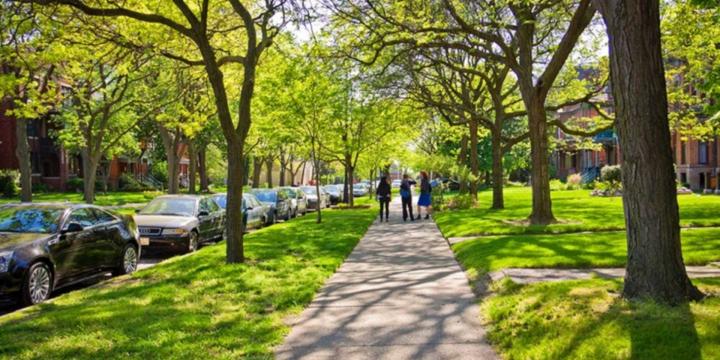
To encourage walking, cities must create comfortable, well-designed pedestrian environments — like outdoor living rooms — with clear orientation, shade, tree cover, and cohesive design, achievable through tools like form-based codes, urban forestry plans, and strong urban design.
Walkable City 3: The Safe Walk (A)
Pedestrian deaths are up 78% since 2009. While car use and size are long-term issues, safer street design — like narrower lanes and two-way roads — can reduce speeding now.
Walkable City 2: The Useful Walk
Learn the principal components of “the useful walk,” how zoning can create walkability and boost housing density, and why visual components are key to a walkable city.
Walkable City 1: Why Walkability?
Jeff Speck explains his five principal reasons for building more walkable places — Economics, the Environment, Public Health, Equity, and Social Cohesiveness — arming practitioners with a full range of arguments in favor of pro-walkability planning.
The Good Street: A New Methodology for Balancing Place and Flow
International urban design consultant Lennart Nout explains the Dutch method for balancing conflicts between urban vibrancy and traffic flow and between different modes of transportation.
Just Suburbs: The New Frontier for Equity and Inclusion
Poverty is being displaced from central cities to suburbs. As a response, planners should look to strategies that create mixed-income neighborhoods—a place that everyone can call home.
How Zoning Shapes Cities, Communities, and Regions
A better understanding of the basic components of zoning, history and evolution of zoning codes, economic and political goals of plan implementation, and impacts on housing prices and production can inform improved planning outcomes.
Accessory Dwelling Units: Understanding America’s Newest Housing Typology
Explore the latest ADU policy developments from leading American cities, key challenges and opportunities for increasing or limiting ADU production, first-hand examples, and best practices in ADU affordability programs.
Incremental Code Reform: Enabling Better Places
The Congress for the New Urbanism’s Project for Code Reform streamlines the zoning code reform process by providing local governments with place-specific incremental zoning code changes that address the most problematic barriers first, build political will, and ultimately create more walkable, prosperous, and equitable places.
Transportation Planning: Effects on the Environment, Health, and Social Justice
This course discusses the local and global impacts of transportation systems and the mitigation of those impacts. The course also identifies prospects for change, as achieved by technology, transportation management, and pricing.
Introduction to Planning: Zoning as an Implementation Tool
This course discusses the Zoning Ordinance - its structure, its relationship to the plan and the sometimes confusing procedures through which it is modified and varied.
Introduction to Planning: The Comprehensive Plan
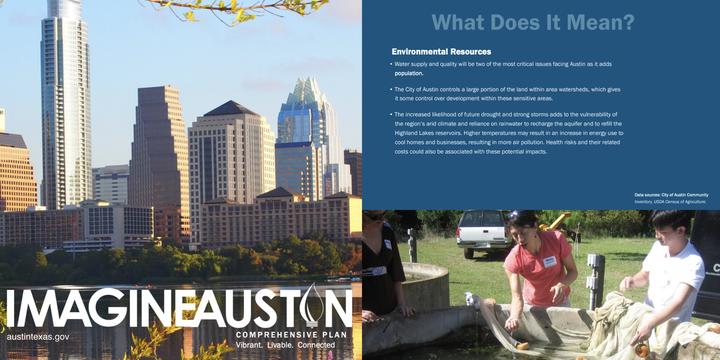
In this course we will discuss the comprehensive plan, sometimes called a “master plan” or a “general plan.”
Transit Service Design 101
In this course, we will review the principles of transit service design, how resources are allocated and accounted for, and using the Remix software platform, we will design and evaluate a new transit route.