

Equity Courses
- CIP
- AIA CES
- AICP CM
- SACPLAN CPD
- CIP
- AIA CES
- AICP CM
- SACPLAN CPD
- AIA CES
- AICP CM
- CNU-A
- SACPLAN CPD
- CIP
- AIA CES
- AICP CM

- CIP
- AIA CES
- AICP CM
- SACPLAN CPD

- CIP
- AICP CM
- CIP
- AIA CES
- AICP CM
- SACPLAN CPD

- CIP
- AIA CES
- AICP CM
- SACPLAN CPD



- CIP
- AIA CES
- AICP CM
- SACPLAN CPD

Top Equity Instructors




















Master Urban Planning Skills With A Planetizen Courses Subscription.
Sign up
High quality video lessons developed by experts.

Complete course work to receive a certificate from Planetizen.

Test your comprehension with course quizzes.

Access reading lists, articles, and other materials prepared by instructors.
All Equity Courses
Digital Accessibility for Planners: Documents - Part 1
By the end of this course, planners will be able to address common access barriers in documents they produce. The first course will provide an introduction to the topic and initial skills, while the second course will dive into more "advanced" skills.


Generative AI Tools and Workflows for Urban Planning
This course introduces planners to the fundamentals of Generative AI (GenAI) and its practical uses in creating text, images, videos, and designs. It highlights how these tools can enhance and streamline urban planning practice.
Walkable City 2: The Useful Walk
Learn the principal components of “the useful walk,” how zoning can create walkability and boost housing density, and why visual components are key to a walkable city.
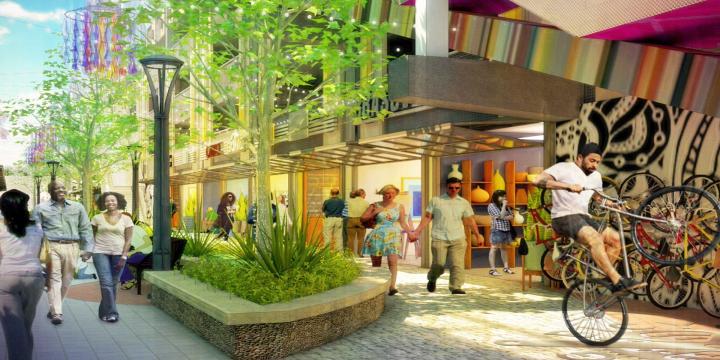
Reinventing Malls: Planning Alchemy—Turning Gray Fields Into Gold
Explore the need and opportunity to reinvent aging mall sites into vibrant, inclusive, and economically valuable centers for 21st-century communities.
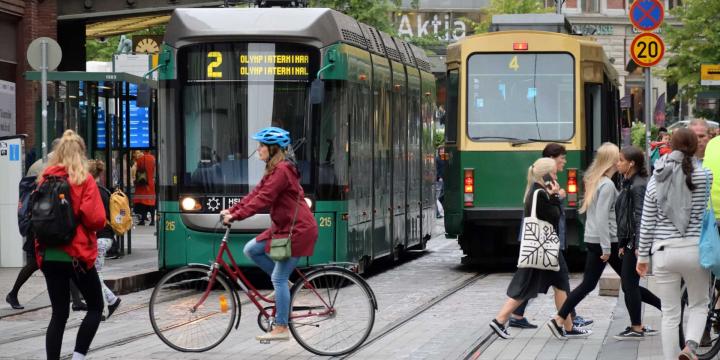
Walkable City 1: Why Walkability?
Jeff Speck explains his five principal reasons for building more walkable places — Economics, the Environment, Public Health, Equity, and Social Cohesiveness — arming practitioners with a full range of arguments in favor of pro-walkability planning.
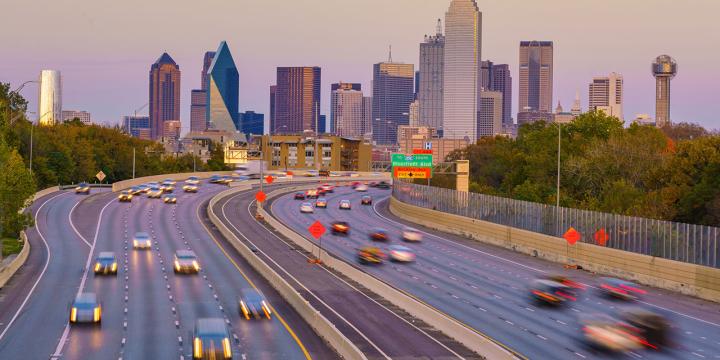
Decking Highways: Reconnecting Communities
This course guides communities through the highway decking process from initial visioning through planning and implementation by exploring key motivations such as community goals, equity considerations, and technical challenges.
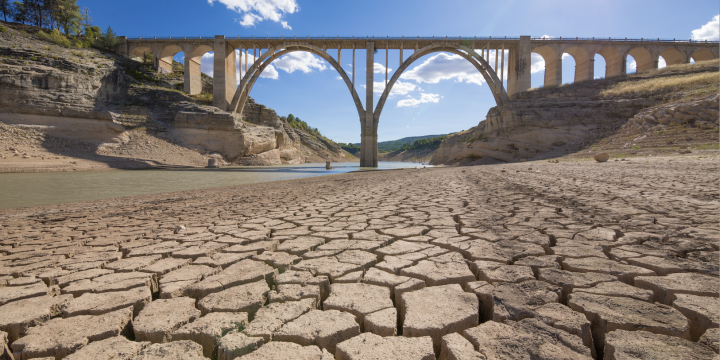
Resilience Planning for Heat and Drought Events
Learn how cities can prepare their infrastructure and social services for heat waves and droughts in a warming world.
Resilience Planning for Coastal Hazards
Across the world, sea levels are rising and storm surge events are intensifying, while development is increasing in vulnerable coastal areas and groundwater depletion is causing land to sink. Urban planners are uniquely positioned to join the battle against rising seas.
Introduction to GIS, Part 2
Take the next step into the world of Geographic Information Systems (GIS) and ArcGIS Pro with an overview of navigation, map projections, and essential map design principles.
U.S. Housing Policy: What Every Planner Needs to Know
Planners play an essential role in understanding and addressing the regulatory, social, and economic barriers to affordable housing. This course offers an overview of U.S. housing policy from its historical roots to modern challenges and solutions.
Taking Meaningful Action Towards Fair Housing
This course dives deep into fair housing, exploring everything from the importance of equitable housing laws to practical strategies for planners to promote fairness in zoning and development.
Green Infrastructure
This course defines green infrastructure, highlights its types and benefits, discusses monetary valuation and financing, and explores its role in addressing climate change, equity, and technological change.
Demystifying AI: Terminology, Tools, and Techniques for Urban Planners
Understanding the basics of artificial intelligence, or AI, is increasingly important for urban planners. Learn the capabilities, limitations, and language of emerging technologies that utilize AI methods.
Roadways for People, Part 1
Using Portland's I-5 Rose Quarter Improvement Project as a central case study, Lynn Peterson and co-instructor Elizabeth Doerr explore why and how we need a more inclusive, people-centered transportation planning process.
The 21st Century Comprehensive Plan
Uncover the emerging and valuable qualities of the 21st century comprehensive plan that can be used to define visions for the future, including robust community engagement, crosscutting themes, and an accountable implementation program.
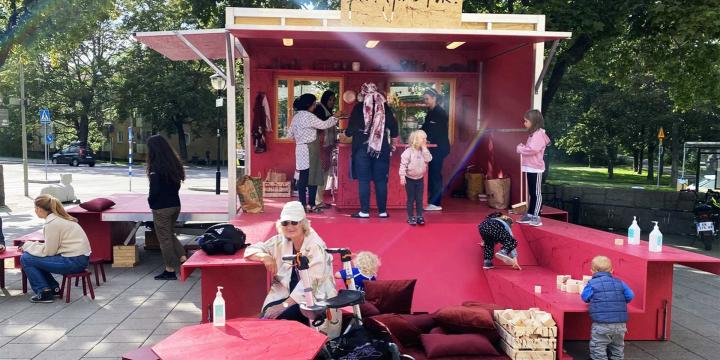
Landscape Design for Social Sustainability, Part 1
Discover how and why the built environment succeeds or fails at supporting thriving, diverse communities, and how designers can create mechanisms that allow communities to enjoy and improve their environments to suit their needs and desires.
Arbitrary Lines: How Zoning Broke the American City and How to Fix it
Nolan Gray presents the complex history of zoning regulation, showing how major legislative decisions led to the country's current state of car reliance, sprawl, and inequity. Now, zoning reform is in the air. But why stop at mere reform?
Interpreting Places and Spaces
Interpretive media can dramatically enhance people's experience of place. Learn how to develop and execute a plan that brings the stories tied to places to life.
Crime and Urban Planning in the United States
The spatial patterns and environmental characteristics of urban crime offer planners an opportunity to contribute to building crime-resilient communities.
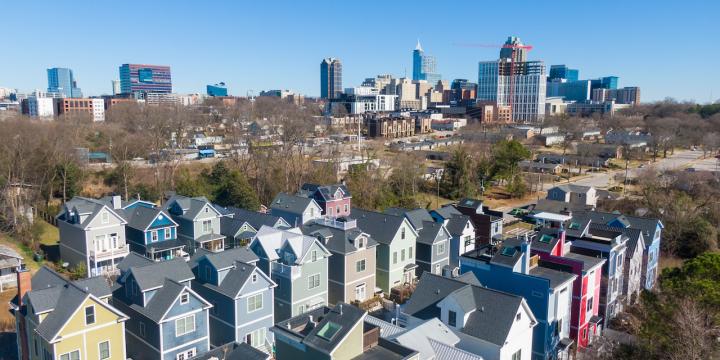
Just Suburbs: The New Frontier for Equity and Inclusion
Poverty is being displaced from central cities to suburbs. As a response, planners should look to strategies that create mixed-income neighborhoods—a place that everyone can call home.