

Civic Engagement Courses



- CIP
- AIA CES
- AICP CM
- SACPLAN CPD

- AICP CM



- AIA CES
- AICP CM
- CNU-A
- SACPLAN CPD
- CIP
- AIA CES
- AICP CM
- SACPLAN CPD


- CIP
- AIA CES
- AICP CM



- CIP
- AIA CES
- AICP CM
- SACPLAN CPD

- CIP
- AIA CES
- AICP CM





- AIA CES
- AICP CM
- SACPLAN CPD
Top Civic Engagement Instructors












Master Urban Planning Skills With A Planetizen Courses Subscription.
Sign up
High quality video lessons developed by experts.

Complete course work to receive a certificate from Planetizen.

Test your comprehension with course quizzes.

Access reading lists, articles, and other materials prepared by instructors.
All Civic Engagement Courses
Generative AI Tools and Workflows for Urban Planning
This course introduces planners to the fundamentals of Generative AI (GenAI) and its practical uses in creating text, images, videos, and designs. It highlights how these tools can enhance and streamline urban planning practice.


Walkable City 2: The Useful Walk
Learn the principal components of “the useful walk,” how zoning can create walkability and boost housing density, and why visual components are key to a walkable city.
Walkable City 1: Why Walkability?
Jeff Speck explains his five principal reasons for building more walkable places — Economics, the Environment, Public Health, Equity, and Social Cohesiveness — arming practitioners with a full range of arguments in favor of pro-walkability planning.
Just Suburbs: The New Frontier for Equity and Inclusion
Poverty is being displaced from central cities to suburbs. As a response, planners should look to strategies that create mixed-income neighborhoods—a place that everyone can call home.
Accessory Dwelling Units: Understanding America’s Newest Housing Typology
Explore the latest ADU policy developments from leading American cities, key challenges and opportunities for increasing or limiting ADU production, first-hand examples, and best practices in ADU affordability programs.
Introduction to Historic Preservation
This course will introduce planners to the basics of historic preservation including the beginning of the historic preservation movement, the legal precedent for preservation, and the theories that determine how preservation occurs. This course will use case studies to further illustrate the topics discussed.
The Pruitt-Igoe Myth
The 2011 documentary film “The Pruitt-Igoe Myth” documents the rapid rise and fall of a housing complex in St. Louis. Pruitt-Igoe became a symbol for the failure of public housing policy in the late 20th century.
Urban Design for Planners 1: Software Tools
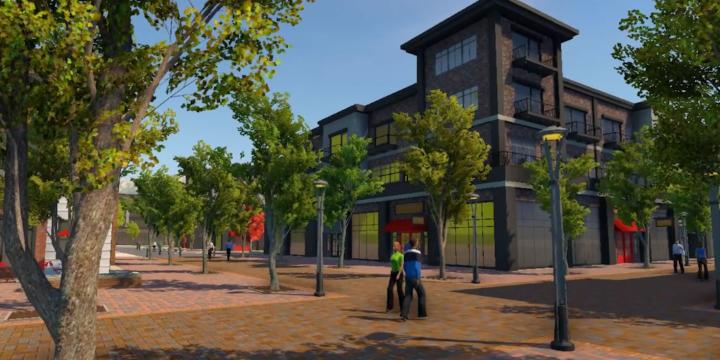
Urban planners and urban designers are interested in building places that embody beauty and hope. In this course, Emily Talen, PhD, FAICP, presents free urban design software tools that can help urban planners and urban designers visualize changes in the built environment to support the overarching goal of creating better places.
Introduction to the UrbanSim Cloud Platform
At the end of this course, participants will be acquainted with the UrbanSim forecasting methodology, understanding the features available in the UrbanSim Cloud Platform and the basics of an UrbanSim model at the Census block level.
Missing Middle Housing: Meeting the Growing Demand for Walkable Urbanism
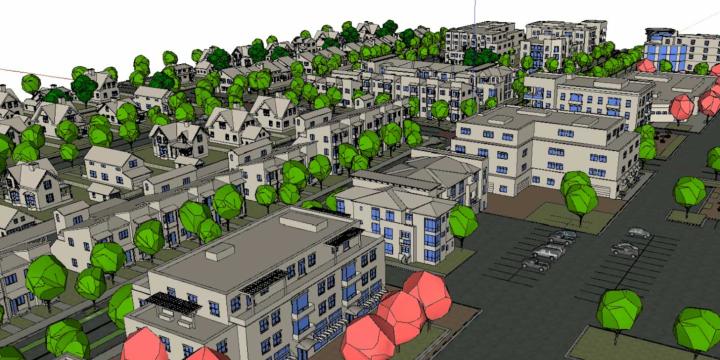
Learn about Missing Middle Housing and how to integrate these types into existing neighborhoods.