

Transportation Courses


- AIA CES
- AICP CM
- CNU-A
- SACPLAN CPD

- CIP
- AIA CES
- AICP CM

- AIA CES
- AICP CM
- CNU-A
- SACPLAN CPD

- AIA CES
- AICP CM





- AIA CES
- AICP CM
- CNU-A
- SACPLAN CPD

- CIP
- AIA CES
- AICP CM
- SACPLAN CPD

- AIA CES
- AICP CM
- CNU-A
- LA CES



- CIP
- AIA CES
- AICP CM
- SACPLAN CPD

- AIA CES
- AICP CM

- AIA CES
- AICP CM
- CNU-A
- SACPLAN CPD

- CIP
- AIA CES
- AICP CM
- SACPLAN CPD

- AIA CES
- AICP CM

- CIP
- AIA CES
- AICP CM
Top Transportation Instructors























Master Urban Planning Skills With A Planetizen Courses Subscription.
Sign up
High quality video lessons developed by experts.

Complete course work to receive a certificate from Planetizen.

Test your comprehension with course quizzes.

Access reading lists, articles, and other materials prepared by instructors.
All Transportation Courses
Crime Prevention Through Environmental Design
This course discusses crime as an environmental justice issue and reviews techniques that successfully reduce crime and make communities safer and healthier through Crime Prevention Through Environmental Design (CPTED) theory.


Just Suburbs: The New Frontier for Equity and Inclusion
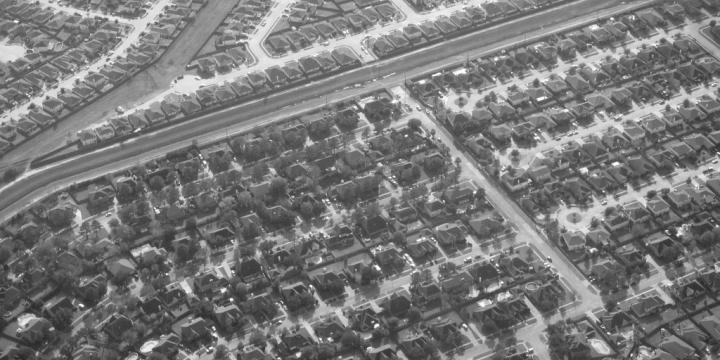
Poverty is being displaced from central cities to suburbs. As a response, planners should look to strategies that create mixed-income neighborhoods—a place that everyone can call home.
Accessory Dwelling Units: Understanding America’s Newest Housing Typology
Explore the latest ADU policy developments from leading American cities, key challenges and opportunities for increasing or limiting ADU production, first-hand examples, and best practices in ADU affordability programs.