

Transportation Courses



- AIA CES
- AICP CM
- CNU-A
- SACPLAN CPD

- AIA CES
- AICP CM




- AIA CES
- AICP CM
- CNU-A
- SACPLAN CPD
- CIP
- AIA CES
- AICP CM
- SACPLAN CPD


- CIP
- AIA CES
- AICP CM
- SACPLAN CPD

- AIA CES
- AICP CM
- CNU-A
- SACPLAN CPD

- CIP
- AIA CES
- AICP CM
- SACPLAN CPD

- AIA CES
- AICP CM

Top Transportation Instructors























Master Urban Planning Skills With A Planetizen Courses Subscription.
Sign up
High quality video lessons developed by experts.

Complete course work to receive a certificate from Planetizen.

Test your comprehension with course quizzes.

Access reading lists, articles, and other materials prepared by instructors.
All Transportation Courses
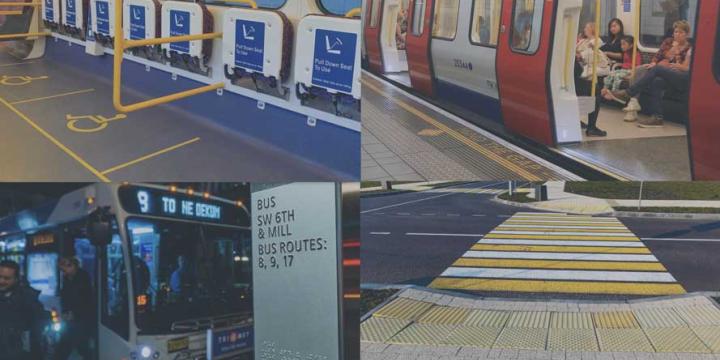
Equitable Transit Oriented Development
Equitable transit oriented development (eTOD) prioritizes inclusive community development in multi-modal regional growth.


Form-Based Codes 101: Downtowns
Downtowns are the historic center of most American cities. In this course, we will review their role in establishing the past and future character of the city, walking through a series of form-based code case studies across a range of scales and contexts.
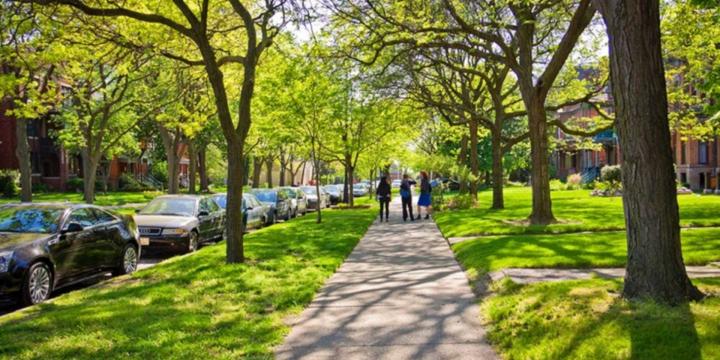
Form-Based Codes 101: Corridors
Corridors have historically been a key element of the urban fabric of every American town and city, yet they are also commonly problematic. This course looks at the roots of the problem for examples of how corridors can be designed and coded.
Form-Based Codes 101: Neighborhoods
This course introduces the essential elements of neighborhoods.