

Walkability Courses

- CIP
- AIA CES
- AICP CM
- SACPLAN CPD

- AIA CES
- AICP CM
- CNU-A
- SACPLAN CPD

- AICP CM
- SACPLAN CPD




- AIA CES
- AICP CM
- CNU-A
- SACPLAN CPD


- AIA CES
- AICP CM


- AIA CES
- AICP CM
- CNU-A
- SACPLAN CPD

- CIP
- AIA CES
- AICP CM
- SACPLAN CPD


- AIA CES
- AICP CM
- AIA CES
- AICP CM
- CNU-A
- SACPLAN CPD
Top Walkability Instructors























Master Urban Planning Skills With A Planetizen Courses Subscription.
Sign up
High quality video lessons developed by experts.

Complete course work to receive a certificate from Planetizen.

Test your comprehension with course quizzes.

Access reading lists, articles, and other materials prepared by instructors.
All Walkability Courses
The Future of Cities After COVID-19
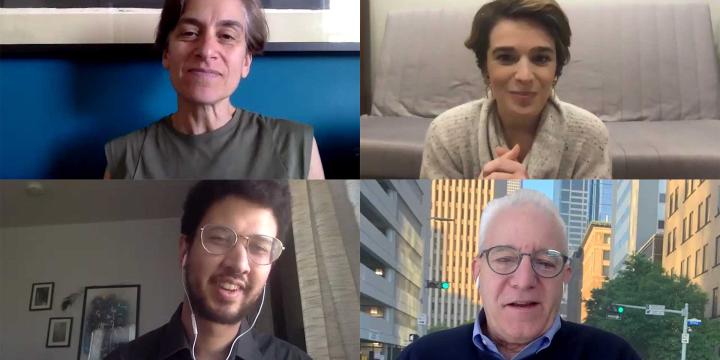
This virtual panel discussion focuses on the potential for the COVID-19 pandemic to influence the development, demographic, and environmental trends of the future. Speakers: Allison Arieff, William Fulton, Scott Frazier, and Mariela Alfonzo. Moderator: James Brasuell.


Legal Issues in Sign Codes
This course provides basic knowledge of the legal issues involved in sign codes, focusing on constitutionally-compliant sign codes in the aftermath of U.S. Supreme Court's recent decision in Reed v Town of Gilbert
Regulating Electronic Message Centers
This course provides practical, solution-focused guidance for regulations that leverage digital sign technology while protecting community aesthetic values and safety concerns. This course is available for free.