

Transportation Courses
- AIA CES
- AICP CM
- CNU-A
- SACPLAN CPD



- CIP
- AIA CES
- AICP CM
- SACPLAN CPD

- AIA CES
- AICP CM
- CNU-A
- SACPLAN CPD

- AIA CES
- AICP CM
- CNU-A
- SACPLAN CPD




- AIA CES
- AICP CM
- CNU-A
- SACPLAN CPD




- CIP
- AIA CES
- AICP CM
- CNU-A
- SACPLAN CPD

- AIA CES
- AICP CM
- CNU-A
- SACPLAN CPD


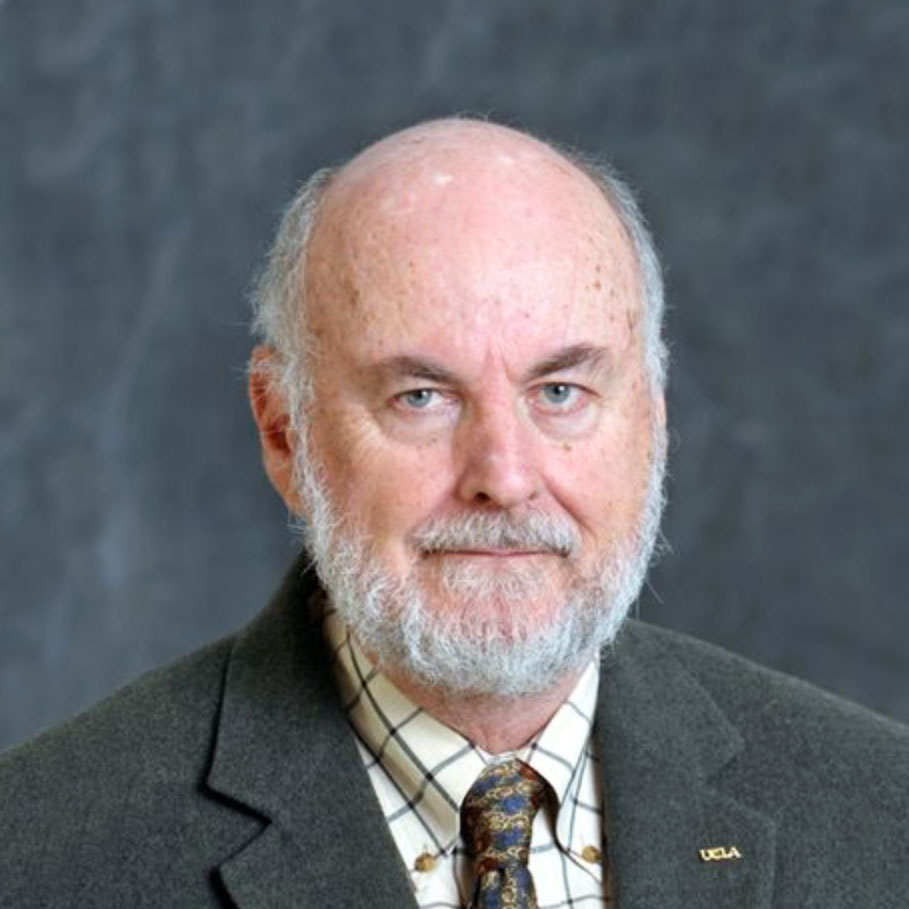
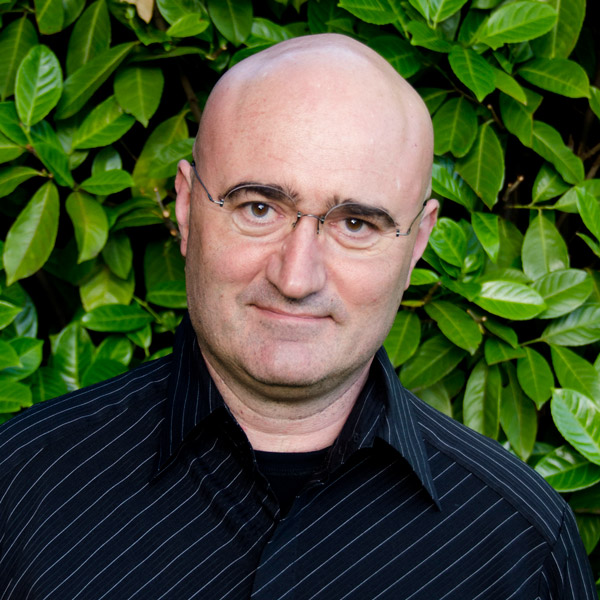
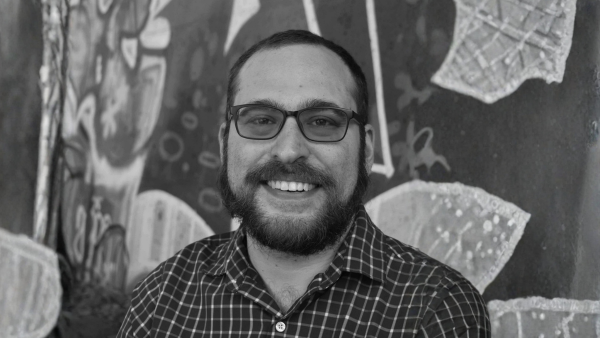
Top Transportation Instructors





















Master Urban Planning Skills With A Planetizen Courses Subscription.
Sign up
High quality video lessons developed by experts.

Complete course work to receive a certificate from Planetizen.

Test your comprehension with course quizzes.

Access reading lists, articles, and other materials prepared by instructors.
All Transportation Courses
What Is Generative AI and Why It Matters for Urban Planning
This course introduces urban planners to Generative AI (GenAI), covering its fundamentals and demonstrating how it can create text, images, videos, and designs to enhance planning practices.


Walkable City 1: Why Walkability?
Jeff Speck explains his five principal reasons for building more walkable places — Economics, the Environment, Public Health, Equity, and Social Cohesiveness — arming practitioners with a full range of arguments in favor of pro-walkability planning.