

Equity Courses




- AICP CM
- CNU-A
- SACPLAN CPD

- AIA CES
- AICP CM
- CNU-A
- SACPLAN CPD

- CIP
- AIA CES
- AICP CM
- SACPLAN CPD

- CIP
- AIA CES
- AICP CM
- SACPLAN CPD
- CIP
- AIA CES
- AICP CM
- SACPLAN CPD
- AIA CES
- AICP CM
- CNU-A
- SACPLAN CPD
- CIP
- AIA CES
- AICP CM

- CIP
- AIA CES
- AICP CM
- SACPLAN CPD

- CIP
- AICP CM
- CIP
- AIA CES
- AICP CM
- SACPLAN CPD
Top Equity Instructors






















Master Urban Planning Skills With A Planetizen Courses Subscription.
Sign up
High quality video lessons developed by experts.

Complete course work to receive a certificate from Planetizen.

Test your comprehension with course quizzes.

Access reading lists, articles, and other materials prepared by instructors.
All Equity Courses
US Disability Access Laws for Planners
Explore the key disability rights laws that shape planners' work — including the Americans with Disabilities Act, the Architectural Barriers Act, the Fair Housing Act and the Rehabilitation Act of 1973 — to understand their core provisions.


Generative AI, Ethics, and the Future of Urban Planning
Explore the ethical and equity implications of using generative AI in urban planning. This course addresses bias, transparency, public trust, emerging tools like digital twins, and offers practical guidance for responsible adoption.
Walkable City 1: Why Walkability?
Jeff Speck explains his five principal reasons for building more walkable places — Economics, the Environment, Public Health, Equity, and Social Cohesiveness — arming practitioners with a full range of arguments in favor of pro-walkability planning.
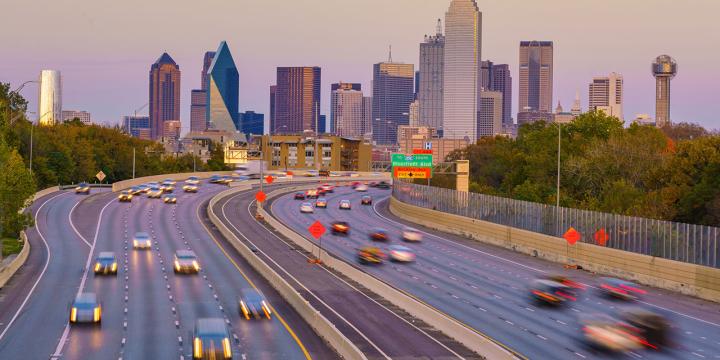
Decking Highways: Reconnecting Communities
This course guides communities through the highway decking process from initial visioning through planning and implementation by exploring key motivations such as community goals, equity considerations, and technical challenges.
Resilience Planning for Heat and Drought Events
Learn how cities can prepare their infrastructure and social services for heat waves and droughts in a warming world.
Walking Towards Inclusion
Walkability's many benefits can lead to an increase in the value of housing. For low-income renters, this can mean displacement. David Dixon explains the main challenges to building equitable walkability and how planners can act to allow everyone to enjoy increased walkability in existing urban neighborhoods.
Designing the Built Environment for People With Autism Spectrum Disorder
This course covers how autistic people experience urban and natural environments and the design techniques used to improve their experience.
Design for Peace and Democracy
Explore how our designed environments can promote and support peace and democracy using historic examples of how the built environment – including parks, squares and streets – can be an instrument of oppression and serve as forums for both tyranny and uprising. We’ll return to the U.S. for stories closer to home, and frame the future in hope and optimism.
U.S. Housing Policy: What Every Planner Needs to Know
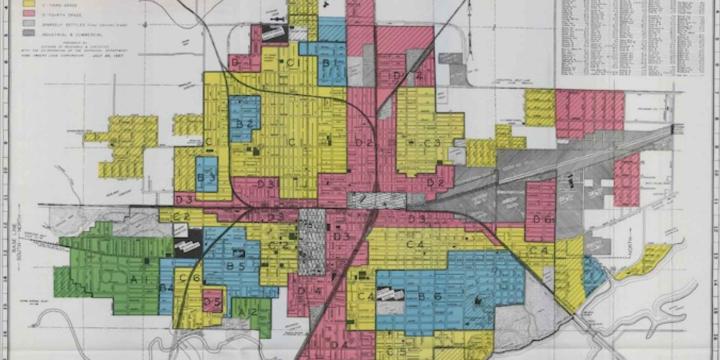
Planners play an essential role in understanding and addressing the regulatory, social, and economic barriers to affordable housing. This course offers an overview of U.S. housing policy from its historical roots to modern challenges and solutions.
Green Infrastructure
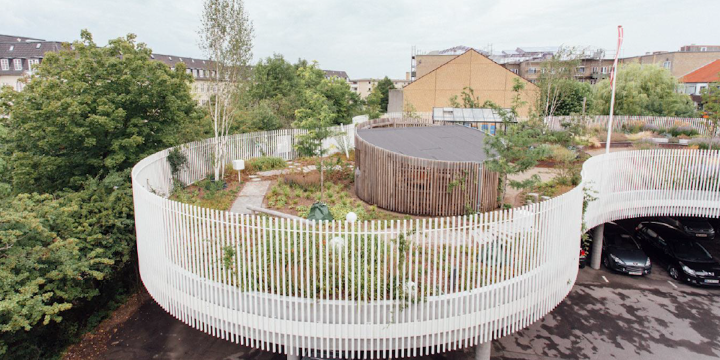
This course defines green infrastructure, highlights its types and benefits, discusses monetary valuation and financing, and explores its role in addressing climate change, equity, and technological change.
Navigating the Ethical Landscape for AI in Urban Planning
Uncover some of the largest ethical issues related to using AI in urban planning and the steps cities around the world are taking to ensure fairness, honesty, and accountability as this revolutionary technology becomes more embedded in the modern world.
Roadways for People, Part 2
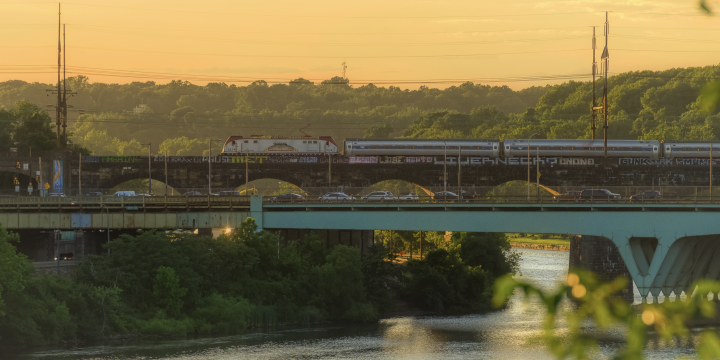
Home in on the Community Solutions Based Approach through the example of a recent project in Baltimore, Maryland to re-reroute and update an Amtrak tunnel that would affect the predominantly Black neighborhood of Reservoir Hill.
Roadways for People, Part 1
Using Portland's I-5 Rose Quarter Improvement Project as a central case study, Lynn Peterson and co-instructor Elizabeth Doerr explore why and how we need a more inclusive, people-centered transportation planning process.
Landscape Design for Social Sustainability, Part 2
Continue exploring how designers can create built environments that foster vibrant, engaged communities through contemporary theories and case study examples around social sustainability in landscape design.
Landscape Design for Social Sustainability, Part 1
Discover how and why the built environment succeeds or fails at supporting thriving, diverse communities, and how designers can create mechanisms that allow communities to enjoy and improve their environments to suit their needs and desires.
History of U.S. Landscape Architecture, Part 2
Picking up in 1970, this course explores how the role and uses of public parks changed and how the role of the landscape architect expanded to that of advocate, facilitator, and teacher in the late 20th century and the era of climate change.
History of U.S. Landscape Architecture, Part 1
Kristin Faurest explores the history of the profession of landscape architecture from its origins through the 1960s, providing a vibrant global context of how humankind has shaped its landscape over the ages.
Building Bad, Part 2: How Architectural Utility is Damaged by Expression
Join Jonathan Ochshorn on a captivating exploration of his theory "Building Bad" in Part Two of this course. Discover the fascinating interplay between artistic expression and the functionality of buildings, and how they can sometimes clash.
Building Bad, Part 1: How Architectural Utility is Constrained by Politics
Discover the theory of “Building Bad”: an examination of the costs and benefits that can limit the functionality of buildings in exchange for profits.
Crime Prevention Through Environmental Design
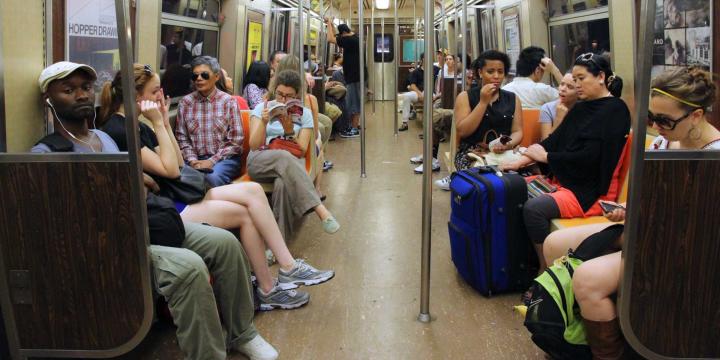
This course discusses crime as an environmental justice issue and reviews techniques that successfully reduce crime and make communities safer and healthier through Crime Prevention Through Environmental Design (CPTED) theory.