

Transportation Courses

- AIA CES
- AICP CM
- CNU-A
- SACPLAN CPD


- AIA CES
- AICP CM
- CIP
- AIA CES
- AICP CM
- SACPLAN CPD


- AIA CES
- AICP CM
- CNU-A
- SACPLAN CPD

- AIA CES
- AICP CM
- CNU-A
- SACPLAN CPD





- AIA CES
- AICP CM
- CNU-A
- SACPLAN CPD

- AIA CES
- AICP CM
- CNU-A
- SACPLAN CPD



- CIP
- AIA CES
- AICP CM
- CNU-A
- SACPLAN CPD


- AIA CES
- AICP CM
- CNU-A
- SACPLAN CPD

Top Transportation Instructors























Master Urban Planning Skills With A Planetizen Courses Subscription.
Sign up
High quality video lessons developed by experts.

Complete course work to receive a certificate from Planetizen.

Test your comprehension with course quizzes.

Access reading lists, articles, and other materials prepared by instructors.
All Transportation Courses
Bicycle-Friendly Streets: Design Standards
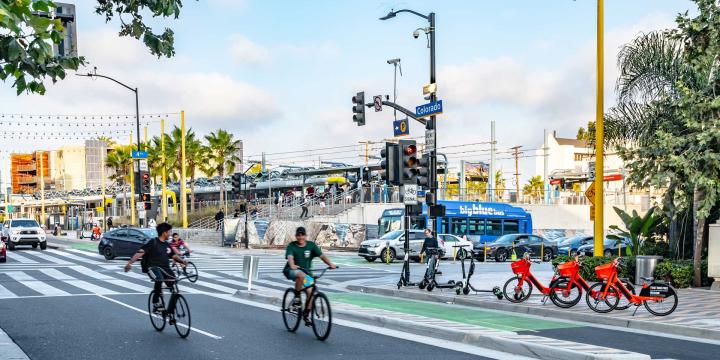
"Bike Friendly Streets: Design Standards" presents examples of cities across the United States and globally redesigning their streets to accommodate and encourage bicycling. From road diets that make room for bike lanes to complete redesigns of streets, cities are stepping up to the challenge of providing a variety of options for the bicyclists in their communities.


Planning Ethics
The work of planning for communities is rooted in values, often unexpressed, about the role of government in working for a better future. This course reviews the expectations expressed in the AICP Code of Ethics and Professional Conduct and then explores the application of the code in a number of planning ethics case studies. This conversation about building and sustaining an ethical planning organization sets out to define what makes an ethical planning organization and describes steps that planners can take to improve the ethical climate of their organizations.