

Transportation Courses
- AIA CES
- AICP CM
- CNU-A
- SACPLAN CPD



- CIP
- AIA CES
- AICP CM
- SACPLAN CPD

- AIA CES
- AICP CM
- CNU-A
- SACPLAN CPD

- AIA CES
- AICP CM
- CNU-A
- SACPLAN CPD



- AIA CES
- AICP CM
- CNU-A
- SACPLAN CPD



- CIP
- AIA CES
- AICP CM
- CNU-A
- SACPLAN CPD

- AIA CES
- AICP CM
- CNU-A
- SACPLAN CPD


Top Transportation Instructors

















Master Urban Planning Skills With A Planetizen Courses Subscription.
Sign up
High quality video lessons developed by experts.

Complete course work to receive a certificate from Planetizen.

Test your comprehension with course quizzes.

Access reading lists, articles, and other materials prepared by instructors.
All Transportation Courses
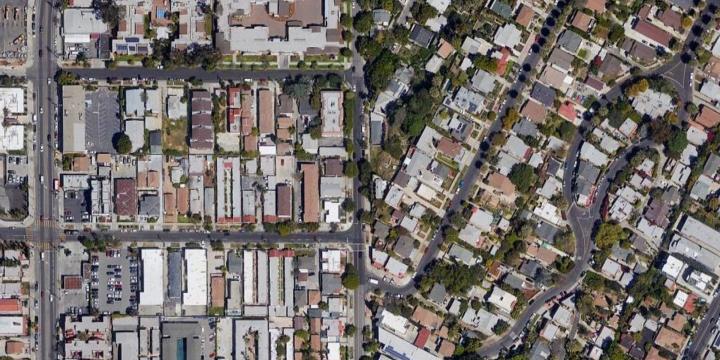
Walkable City 1: Why Walkability?
Jeff Speck explains his five principal reasons for building more walkable places — Economics, the Environment, Public Health, Equity, and Social Cohesiveness — arming practitioners with a full range of arguments in favor of pro-walkability planning.


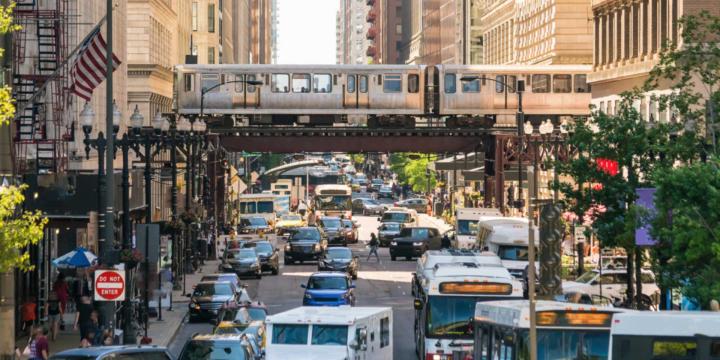
The Future of Cities After COVID-19
This virtual panel discussion focuses on the potential for the COVID-19 pandemic to influence the development, demographic, and environmental trends of the future. Speakers: Allison Arieff, William Fulton, Scott Frazier, and Mariela Alfonzo. Moderator: James Brasuell.
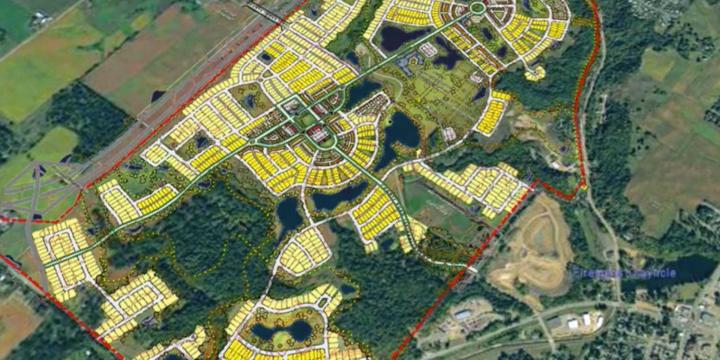
Regional Planning Workflows in the UrbanSim Cloud Platform
This course reviews the basic land use forecasting workflows that can be completed using the UrbanSim Cloud Platform, as illustrated by a set of case studies.