

Equity Courses




- CIP
- AIA CES
- AICP CM
- SACPLAN CPD

- CIP
- AIA CES
- AICP CM
- SACPLAN CPD

- AIA CES
- AICP CM
- CNU-A
- SACPLAN CPD


- CIP
- AIA CES
- AICP CM

- CIP
- AIA CES
- AICP CM
- SACPLAN CPD


- CIP
- AICP CM

- CIP
- AIA CES
- AICP CM
- SACPLAN CPD

- CIP
- AICP CM


- CIP
- AIA CES
- AICP CM
- SACPLAN CPD

- CIP
- AIA CES
- AICP CM
- SACPLAN CPD


- CIP
- AIA CES
- AICP CM
- SACPLAN CPD

- CIP
- AIA CES
- AICP CM
- SACPLAN CPD


Top Equity Instructors






















Master Urban Planning Skills With A Planetizen Courses Subscription.
Sign up
High quality video lessons developed by experts.

Complete course work to receive a certificate from Planetizen.

Test your comprehension with course quizzes.

Access reading lists, articles, and other materials prepared by instructors.
All Equity Courses
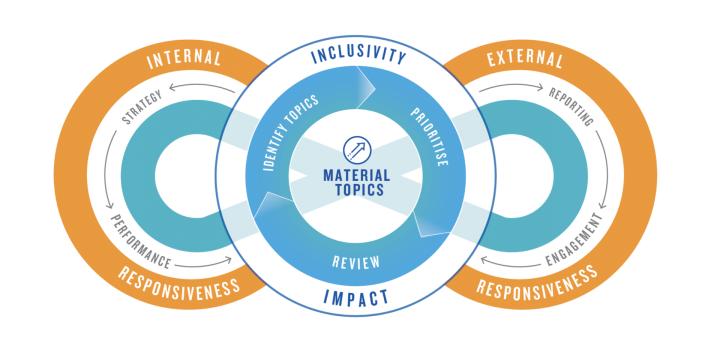
Principles of Materiality, Responsiveness, Inclusivity, and Impact
In this course, students will take a deep dive into the AA1000 AccountAbility standard and its four Principles: Inclusivity, Materiality, Responsiveness and Impact and how they integrate to develop a very well thought out framework.


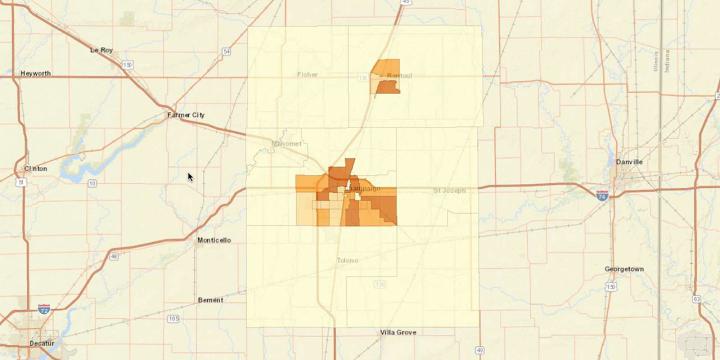
Measuring Neighborhood Segregation and Diversity
This course reviews the various ways to measure both segregation and diversity at the neighborhood scale.
Greenhouse Gas Emissions Accounting for Cities
Greenhouse gas emissions accounting is a core tool for developing, implementing, and monitoring climate actions and strategies. This course provides a basic overview of concepts that can be supplemented with training in specific software.