

Pedestrian Planning Courses
- CIP
- AIA CES
- AICP CM
- SACPLAN CPD



- AIA CES
- AICP CM
- CNU-A
- SACPLAN CPD












- AIA CES
- AICP CM
- CNU-A
- LA CES

- CIP
- AIA CES
- AICP CM
- SACPLAN CPD

- AICP CM
- CNU-A
- SACPLAN CPD


Top Pedestrian Planning Instructors























Master Urban Planning Skills With A Planetizen Courses Subscription.
Sign up
High quality video lessons developed by experts.

Complete course work to receive a certificate from Planetizen.

Test your comprehension with course quizzes.

Access reading lists, articles, and other materials prepared by instructors.
All Pedestrian Planning Courses
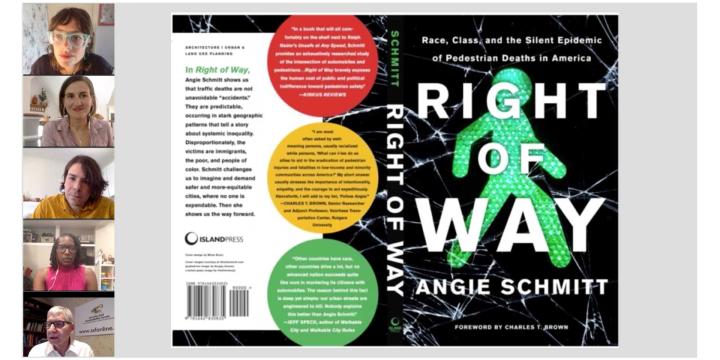
Walkable City 3: The Safe Walk (A)
Pedestrian deaths are up 78% since 2009. While car use and size are long-term issues, safer street design — like narrower lanes and two-way roads — can reduce speeding now.


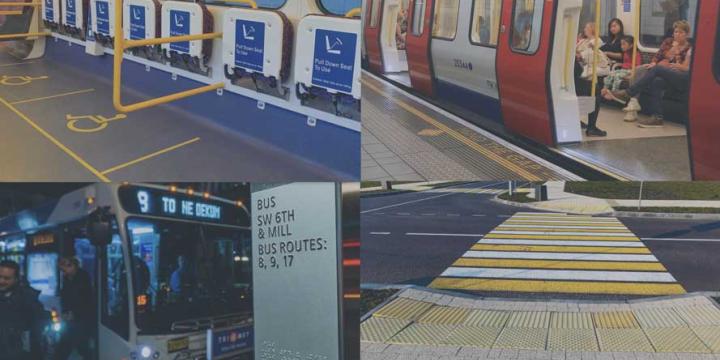
Equitable Transit Oriented Development
Equitable transit oriented development (eTOD) prioritizes inclusive community development in multi-modal regional growth.