

Pedestrian Planning Courses
- CIP
- AIA CES
- AICP CM
- SACPLAN CPD
- AIA CES
- AICP CM
- CNU-A
- SACPLAN CPD




- AIA CES
- AICP CM
- CNU-A
- SACPLAN CPD





- AIA CES
- AICP CM
- CNU-A
- SACPLAN CPD

- CIP
- AIA CES
- AICP CM
- SACPLAN CPD



- AIA CES
- AICP CM
- CNU-A
- SACPLAN CPD

Top Pedestrian Planning Instructors






















Master Urban Planning Skills With A Planetizen Courses Subscription.
Sign up
High quality video lessons developed by experts.

Complete course work to receive a certificate from Planetizen.

Test your comprehension with course quizzes.

Access reading lists, articles, and other materials prepared by instructors.
All Pedestrian Planning Courses
Walkable City 3: The Safe Walk (A)
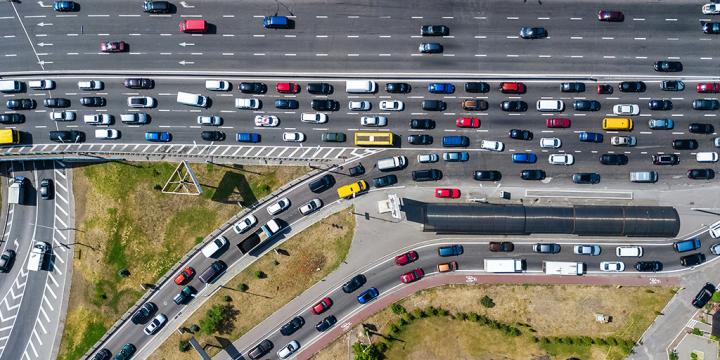
Pedestrian deaths are up 78% since 2009. While car use and size are long-term issues, safer street design — like narrower lanes and two-way roads — can reduce speeding now.


Urban Design for Planners 8: Parking and Traffic
The final course in the Urban Design for Planners series addresses the automobile as part of the urban fabric. The storage of cars and high levels of congestion can be very detrimental to neighborhoods, but good design can mitigate those negative effects.