

Equity Courses
- CIP
- AIA CES
- AICP CM
- SACPLAN CPD
- CIP
- AIA CES
- AICP CM
- SACPLAN CPD
- AIA CES
- AICP CM
- CNU-A
- SACPLAN CPD
- CIP
- AIA CES
- AICP CM

- CIP
- AIA CES
- AICP CM
- SACPLAN CPD

- CIP
- AICP CM
- CIP
- AIA CES
- AICP CM
- SACPLAN CPD
- CIP
- AIA CES
- AICP CM
- SACPLAN CPD

- CIP
- AIA CES
- AICP CM
- SACPLAN CPD

Top Equity Instructors














Master Urban Planning Skills With A Planetizen Courses Subscription.
Sign up
High quality video lessons developed by experts.

Complete course work to receive a certificate from Planetizen.

Test your comprehension with course quizzes.

Access reading lists, articles, and other materials prepared by instructors.
All Equity Courses
Digital Accessibility for Planners – Web
Explore techniques to make their web content created by planners accessible to people with disabilities and compliant with regulations and laws that support disability access. Examples include social media, public outreach and input mechanisms and agency and plan websites.


Digital Accessibility for Planners: Documents - Part 1
By the end of this course, planners will be able to address common access barriers in documents they produce. The first course will provide an introduction to the topic and initial skills, while the second course will dive into more "advanced" skills.
Generative AI Tools and Workflows for Urban Planning
This course introduces planners to the fundamentals of Generative AI (GenAI) and its practical uses in creating text, images, videos, and designs. It highlights how these tools can enhance and streamline urban planning practice.
What Is Generative AI and Why It Matters for Urban Planning
This course introduces urban planners to Generative AI (GenAI), covering its fundamentals and demonstrating how it can create text, images, videos, and designs to enhance planning practices.
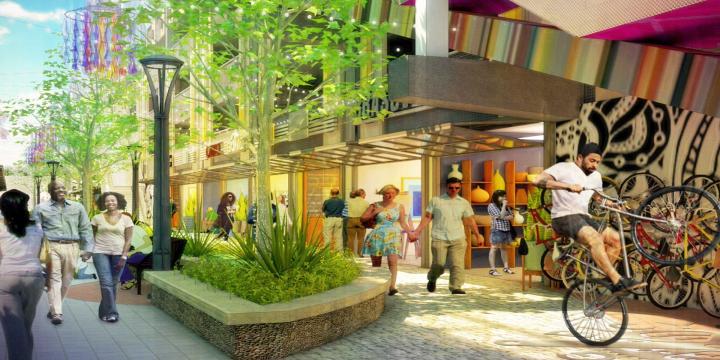
Reinventing Malls: Planning Alchemy—Turning Gray Fields Into Gold
Explore the need and opportunity to reinvent aging mall sites into vibrant, inclusive, and economically valuable centers for 21st-century communities.
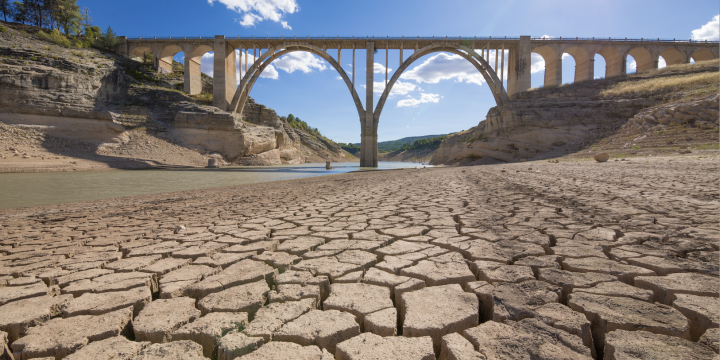
Resilience Planning for Heat and Drought Events
Learn how cities can prepare their infrastructure and social services for heat waves and droughts in a warming world.
Walking Towards Inclusion
Walkability's many benefits can lead to an increase in the value of housing. For low-income renters, this can mean displacement. David Dixon explains the main challenges to building equitable walkability and how planners can act to allow everyone to enjoy increased walkability in existing urban neighborhoods.
Resilience Planning for Coastal Hazards
Across the world, sea levels are rising and storm surge events are intensifying, while development is increasing in vulnerable coastal areas and groundwater depletion is causing land to sink. Urban planners are uniquely positioned to join the battle against rising seas.
Placemaking for Innovation: Creating Innovation Ecosystems
The knowledge economy will dominate job growth by 2040, making local innovation a must. To attract the educated workforce needed to keep up, regions must focus on placemaking to create innovation ecosystems — vibrant, mixed-use areas where people can live, work, and interact.
Green Infrastructure
This course defines green infrastructure, highlights its types and benefits, discusses monetary valuation and financing, and explores its role in addressing climate change, equity, and technological change.
Planning in an Era of Disruptive Change
The 21st century is a time of accelerating, disruptive change with profound implications for local communities. Unlock the planning foresight needed to navigate a rapidly changing social, economic, technological, and environmental world.
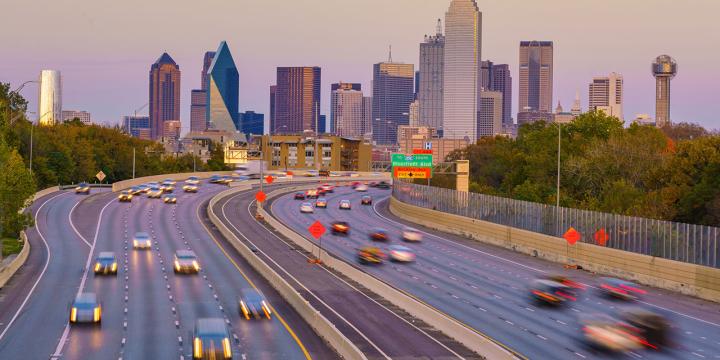
Roadways for People, Part 1
Using Portland's I-5 Rose Quarter Improvement Project as a central case study, Lynn Peterson and co-instructor Elizabeth Doerr explore why and how we need a more inclusive, people-centered transportation planning process.
The 21st Century Comprehensive Plan
Uncover the emerging and valuable qualities of the 21st century comprehensive plan that can be used to define visions for the future, including robust community engagement, crosscutting themes, and an accountable implementation program.
Making Room for Home-Based Businesses
In this crash course on home-based businesses, Nolan Gray explores how reducing zoning regulations could help revitalize communities and encourage entrepreneurship across the country.
Landscape Design for Social Sustainability, Part 1
Discover how and why the built environment succeeds or fails at supporting thriving, diverse communities, and how designers can create mechanisms that allow communities to enjoy and improve their environments to suit their needs and desires.
Crime Prevention Through Environmental Design
This course discusses crime as an environmental justice issue and reviews techniques that successfully reduce crime and make communities safer and healthier through Crime Prevention Through Environmental Design (CPTED) theory.
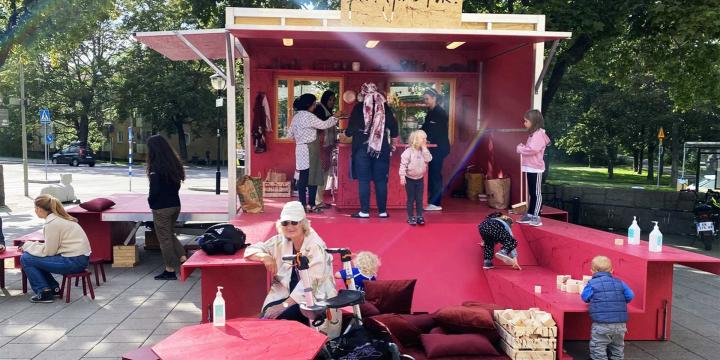
Placemaking for Community-Based Organizations
Learn how community organizations can enhance or expand their impact on their beloved neighborhoods through placemaking practices.
Crime and Urban Planning in the United States
The spatial patterns and environmental characteristics of urban crime offer planners an opportunity to contribute to building crime-resilient communities.
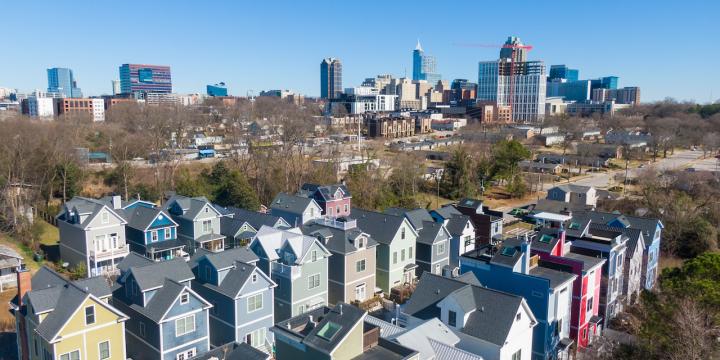
Just Suburbs: The New Frontier for Equity and Inclusion
Poverty is being displaced from central cities to suburbs. As a response, planners should look to strategies that create mixed-income neighborhoods—a place that everyone can call home.
Suburban Remix: Creating the Next Generation of Urban Places
The economic, demographic, and technological forces reshaping suburbs are under-reported and misunderstood. Learn how suburbs can manage change while enhancing livability, economic opportunity, and fiscal responsibility.