

Drawing & Painting Courses






Top Drawing & Painting Instructors




Master Urban Planning Skills With A Planetizen Courses Subscription.
Sign up
High quality video lessons developed by experts.

Complete course work to receive a certificate from Planetizen.

Test your comprehension with course quizzes.

Access reading lists, articles, and other materials prepared by instructors.
All Drawing & Painting Courses
The Pruitt-Igoe Myth
The 2011 documentary film “The Pruitt-Igoe Myth” documents the rapid rise and fall of a housing complex in St. Louis. Pruitt-Igoe became a symbol for the failure of public housing policy in the late 20th century.


Make No Little Plans: Daniel Burnham and the American City
The life and achievements of architect and urban designer Daniel Burnham offer a chance to witness the application of the social agenda of the City Beautiful movement, of which Burnham was one of the most famous practitioners.
The Future of Cities After COVID-19
This virtual panel discussion focuses on the potential for the COVID-19 pandemic to influence the development, demographic, and environmental trends of the future. Speakers: Allison Arieff, William Fulton, Scott Frazier, and Mariela Alfonzo. Moderator: James Brasuell.
The Human Scale
The Human Scale juxtaposes the urban experiences of cities across the World to raise questions about the costs of modernity and to argue in favor of city planning that reclaims the public realm for social life. This new approach to planning is measured by walking distances, social interactions, and social inclusion, rather than vehicle speeds and parking spaces.
The Social Life of Small Urban Spaces
What makes good public spaces work, and why are some public spaces underused? Over the course of this film, William Whyte details insights into seven basic factors of successful public spaces: suitable space, interaction with the street, the sun, food, water, trees, and, finally, a term Whyte calls triangulation, or the ability of a public space to bring people together.
The YIMBY Movement: Opportunities and Challenges for Planners
Yes In My Back Yard, most commonly referred to as YIMBY, is a grassroots social movement advocating for an increase in housing development at the regional, city, and neighborhood levels. This course examines YIMBY organizational structures and the roots, goals, setbacks, successes, and tactics of the movement.
Introduction to Smart Cities
This course explores the characteristics and the challenges of smart cities, as well as the potential opportunities for a smart cities approach within the urban design and urban planning fields. This course also discusses the drivers and the essential technologies in a smart city.
Defining Neighborhoods
This course reviews the varying definitions of neighborhoods and examines methods for defining a physical basis and tangible meaning to neighborhoods based on the location of neighborhood centers, boundaries, and spatial extents.
History of City Planning 2: Modern Ideas of City Planning (1900-1939)
Explore the development of the city and city planning from 1900 to the outbreak of World War II in 1939. Learn how the birth of city planning as a formal practice shaped the cities that defined the century.
The Ethics of Disruptive Transportation Technologies
This course discusses the process for making ethical decisions as part of planning for disruptive technologies.
CityEngine for Planners 4: Sharing Your Work
Learn about the range of options for sharing your work, from web viewers to a simple VR experience.
CityEngine for Planners 2: Coding in Computer Generated Architecture (CGA) and Exporting
The second course of the City Engine for Planners track dives into coding in Esri CityEngine’s proprietary Computer Generated Architecture (CGA) code.
CityEngine for Planners 1: Introduction
This course is designed for beginners seeking an introduction to 3D procedural modeling and CityEngine software.
Python Geospatial Analysis and Mapping
Learn how to use Python to work with urban spatial data.
Conceptual Drawing for Planners
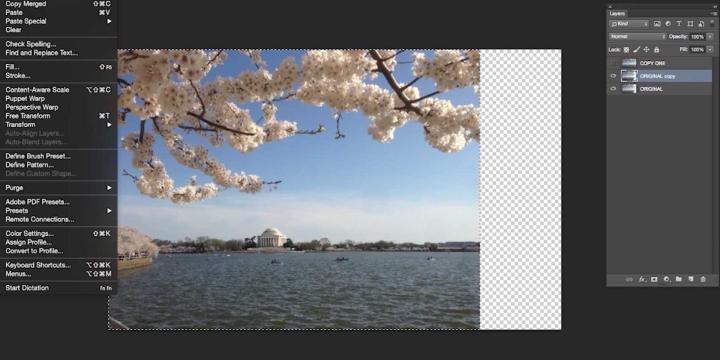
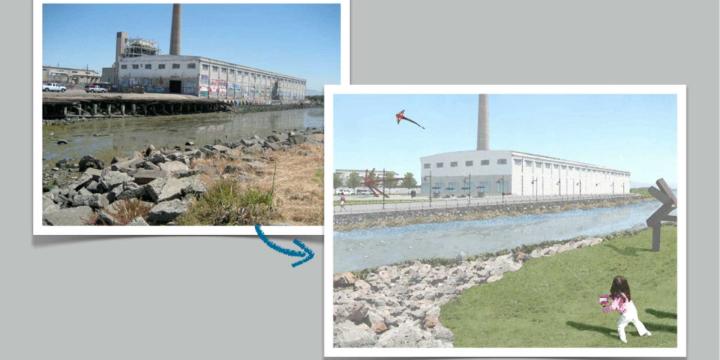
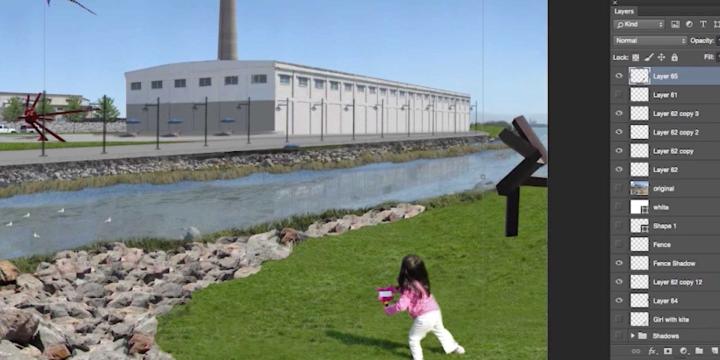
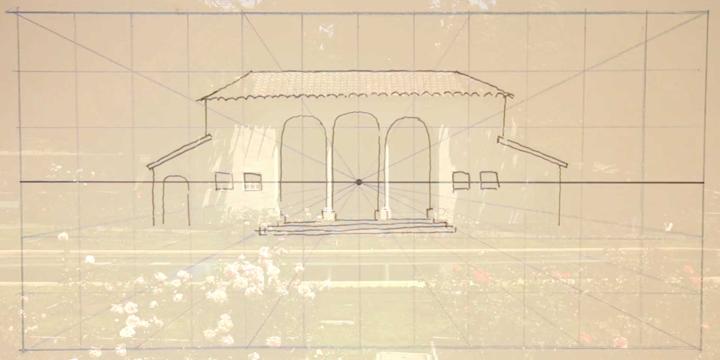
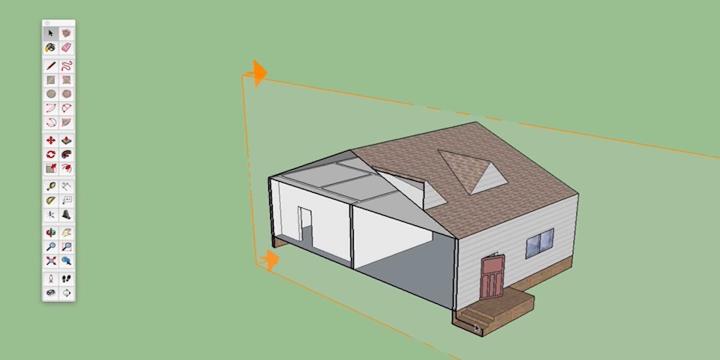
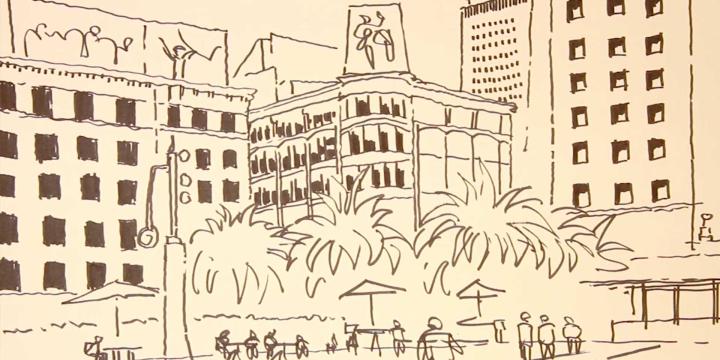
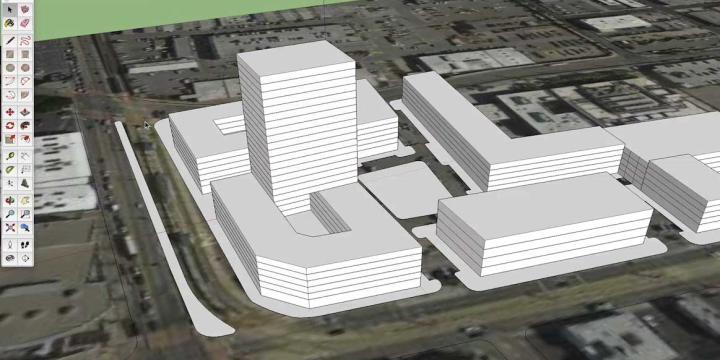
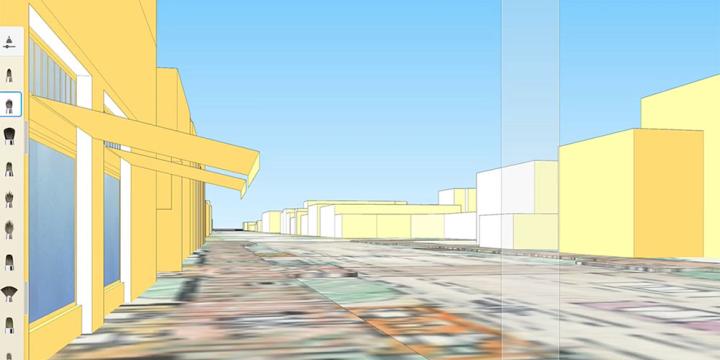
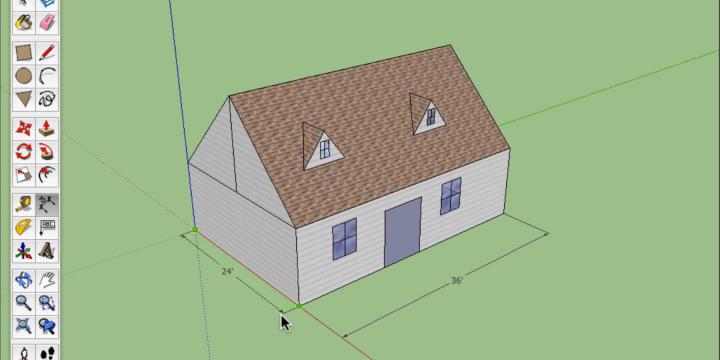
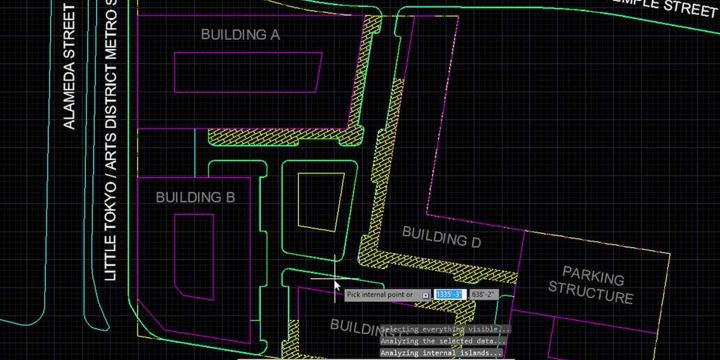
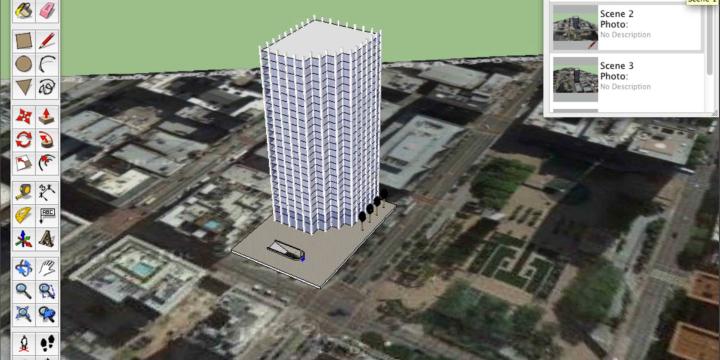
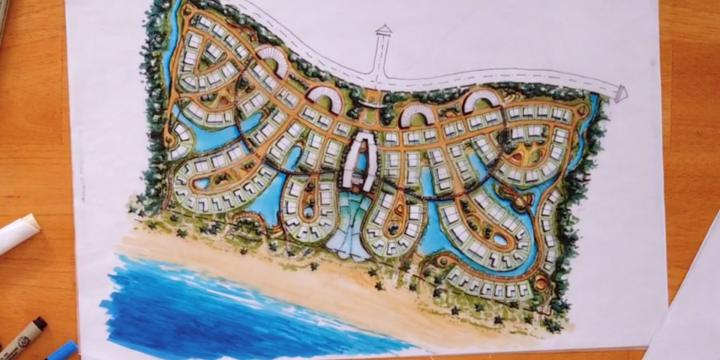
In this course, we will learn effective ways of drawing as a means to communicate design ideas and explore digital tools that support traditional drawing.
Introduction to the UrbanSim Cloud Platform
At the end of this course, participants will be acquainted with the UrbanSim forecasting methodology, understanding the features available in the UrbanSim Cloud Platform and the basics of an UrbanSim model at the Census block level.
Beyond Complete Streets for Walking and Biking
This course covers current practices in planning and implementation of infrastructure for biking and walking.
Missing Middle Housing: Meeting the Growing Demand for Walkable Urbanism
Learn about Missing Middle Housing and how to integrate these types into existing neighborhoods.
Frontage Types and the Public Realm
This course reviews the 10 primary frontage types and how each shapes the public realm. This course focuses on understanding the features and distinctions of each type and in which locations or contexts each is appropriate.
Calculating the Benefits of Parks, Trails, and Open Space
This course provides examples of how to calculate market and non-market values of parks, trails, and open space, as well as how to identify potential revenue-generating opportunities for long-term maintenance and operation.