

Equity Courses



- AICP CM
- CNU-A
- SACPLAN CPD




- AIA CES
- AICP CM
- CNU-A
- SACPLAN CPD

- CIP
- AIA CES
- AICP CM
- SACPLAN CPD

- CIP
- AIA CES
- AICP CM
- SACPLAN CPD
- CIP
- AIA CES
- AICP CM
- SACPLAN CPD

- AIA CES
- AICP CM
- CNU-A
- SACPLAN CPD


- CIP
- AIA CES
- AICP CM

- CIP
- AIA CES
- AICP CM
- SACPLAN CPD

- CIP
- AICP CM
- CIP
- AIA CES
- AICP CM
- SACPLAN CPD

Top Equity Instructors



















Master Urban Planning Skills With A Planetizen Courses Subscription.
Sign up
High quality video lessons developed by experts.

Complete course work to receive a certificate from Planetizen.

Test your comprehension with course quizzes.

Access reading lists, articles, and other materials prepared by instructors.
All Equity Courses
Form-Based Codes 101: Learning How To Look
This course will teach you the skills to appreciate and analyze the measures and functions of good urbanism.


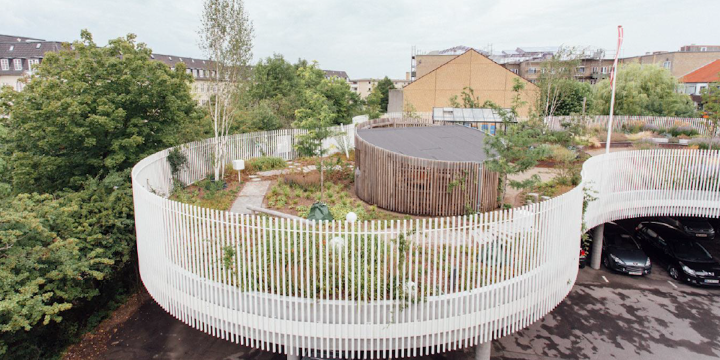
Urban Design for Planners 8: Parking and Traffic
The final course in the Urban Design for Planners series addresses the automobile as part of the urban fabric. The storage of cars and high levels of congestion can be very detrimental to neighborhoods, but good design can mitigate those negative effects.
Parking Reform Made Easy
Reforming minimum parking requirements is one of the most effective ways to support Smart Growth. This course explains the many problems created by the parking regulation status quo before presenting a process for reform, providing examples of parking management tools, and discussing strategies for dealing with political and stakeholder issues.