

Sustainability Courses




- AIA CES
- AICP CM
- CNU-A
- SACPLAN CPD

- CIP
- AIA CES
- AICP CM
- SACPLAN CPD

- CIP
- AIA CES
- AICP CM
- SACPLAN CPD

- AIA CES
- AICP CM
- CNU-A
- SACPLAN CPD


- CIP
- AIA CES
- AICP CM
- SACPLAN CPD
- AICP CM
- SACPLAN CPD


- AIA CES
- AICP CM
- CNU-A
- SACPLAN CPD



- AICP CM
- SACPLAN CPD




- CIP
- AICP CM



Top Sustainability Instructors





















Master Urban Planning Skills With A Planetizen Courses Subscription.
Sign up
High quality video lessons developed by experts.

Complete course work to receive a certificate from Planetizen.

Test your comprehension with course quizzes.

Access reading lists, articles, and other materials prepared by instructors.
All Sustainability Courses
Walkable City 3: The Safe Walk (A)
Pedestrian deaths are up 78% since 2009. While car use and size are long-term issues, safer street design — like narrower lanes and two-way roads — can reduce speeding now.


How Zoning Shapes Cities, Communities, and Regions
A better understanding of the basic components of zoning, history and evolution of zoning codes, economic and political goals of plan implementation, and impacts on housing prices and production can inform improved planning outcomes.
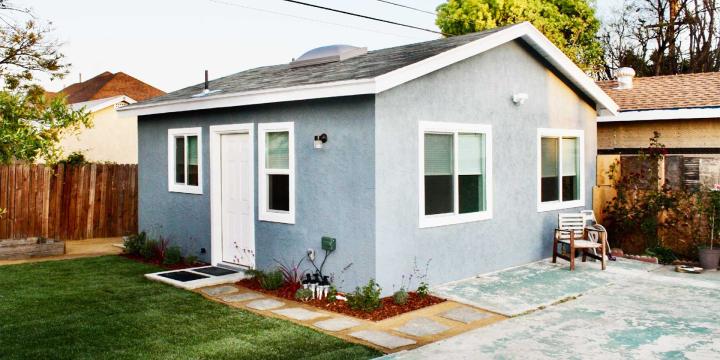
Accessory Dwelling Units: Understanding America’s Newest Housing Typology
Explore the latest ADU policy developments from leading American cities, key challenges and opportunities for increasing or limiting ADU production, first-hand examples, and best practices in ADU affordability programs.