

Sustainability Courses




- AIA CES
- AICP CM
- CNU-A
- SACPLAN CPD

- CIP
- AIA CES
- AICP CM
- SACPLAN CPD

- CIP
- AIA CES
- AICP CM
- SACPLAN CPD
- AIA CES
- AICP CM
- CNU-A
- SACPLAN CPD

- CIP
- AIA CES
- AICP CM
- SACPLAN CPD
- AICP CM
- SACPLAN CPD
- AIA CES
- AICP CM
- CNU-A
- SACPLAN CPD


- AICP CM
- SACPLAN CPD



- CIP
- AICP CM



Top Sustainability Instructors







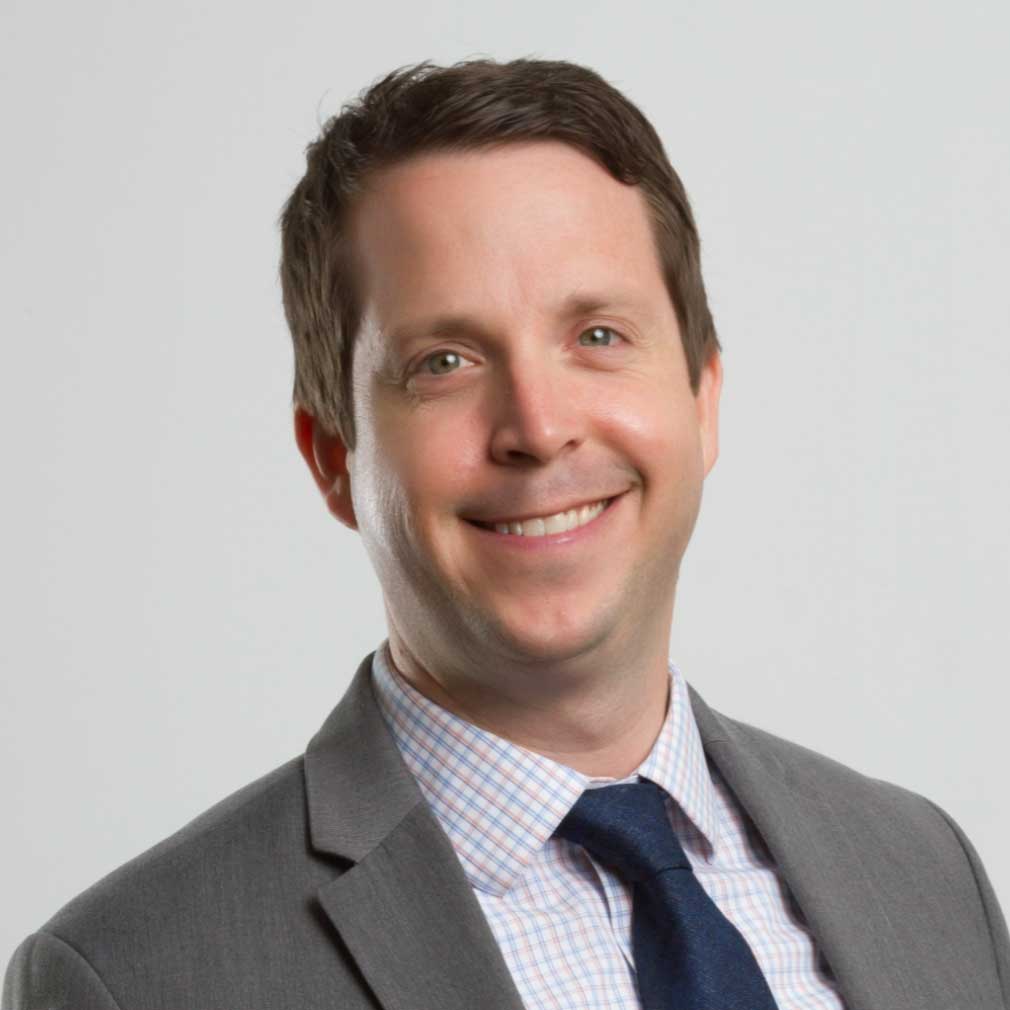
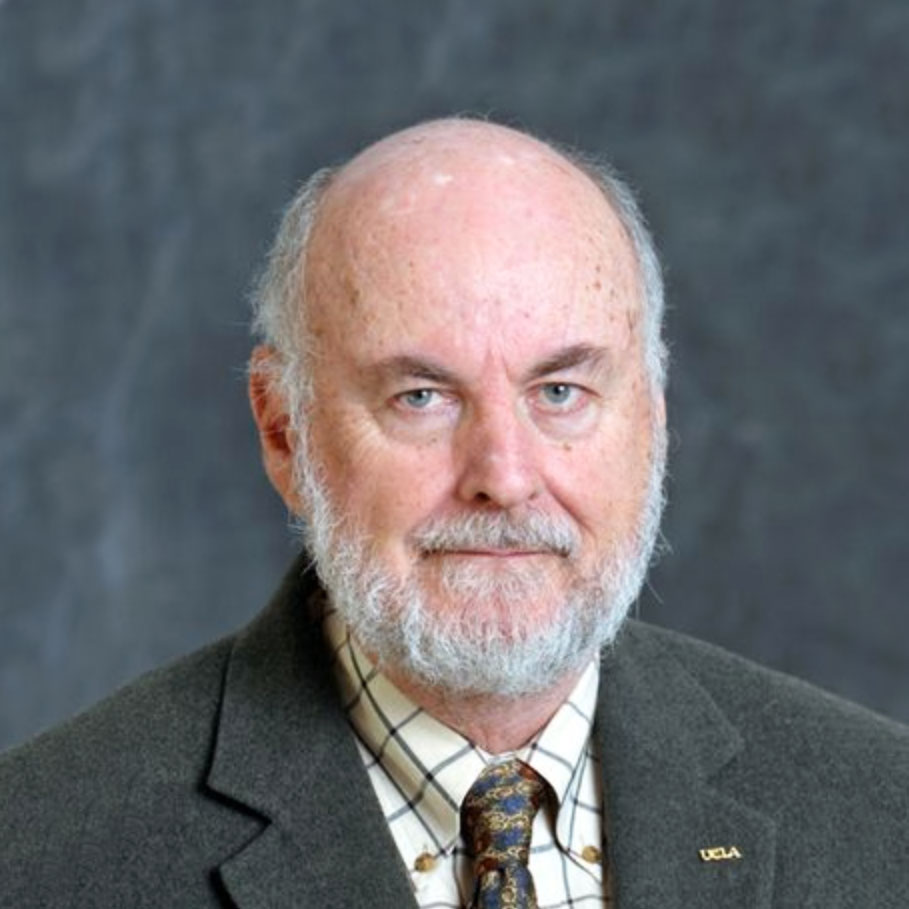
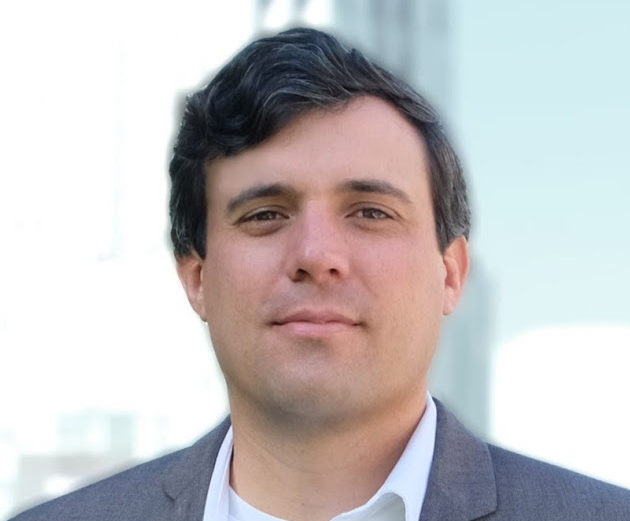



Master Urban Planning Skills With A Planetizen Courses Subscription.
Sign up
High quality video lessons developed by experts.

Complete course work to receive a certificate from Planetizen.

Test your comprehension with course quizzes.

Access reading lists, articles, and other materials prepared by instructors.
All Sustainability Courses
Introduction to Resilience Planning
This course introduces key concepts of resilience planning and explains how to incorporate resilience planning in communities.


The Future of Cities After COVID-19
This virtual panel discussion focuses on the potential for the COVID-19 pandemic to influence the development, demographic, and environmental trends of the future. Speakers: Allison Arieff, William Fulton, Scott Frazier, and Mariela Alfonzo. Moderator: James Brasuell.
Transportation Planning: Effects on the Environment, Health, and Social Justice
This course discusses the local and global impacts of transportation systems and the mitigation of those impacts. The course also identifies prospects for change, as achieved by technology, transportation management, and pricing.