

Equity Courses

- CIP
- AIA CES
- AICP CM
- SACPLAN CPD


- CIP
- AIA CES
- AICP CM
- SACPLAN CPD




- CIP
- AIA CES
- AICP CM
- SACPLAN CPD







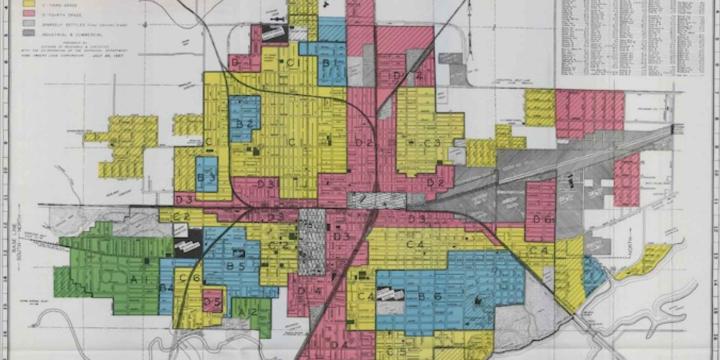

Top Equity Instructors

















Master Urban Planning Skills With A Planetizen Courses Subscription.
Sign up
High quality video lessons developed by experts.

Complete course work to receive a certificate from Planetizen.

Test your comprehension with course quizzes.

Access reading lists, articles, and other materials prepared by instructors.
All Equity Courses
Public Speaking, Communication, and Influence for Planners
New
Planners regularly present complex information to decision-makers, community members and project teams, yet many early-career planners receive little training in how to communicate ideas clearly, persuasively and confidently. This course helps planners strengthen their professional voice by developing skills in storytelling, public speaking and persuasive communication.


Planning Implications and Design for AV Futures
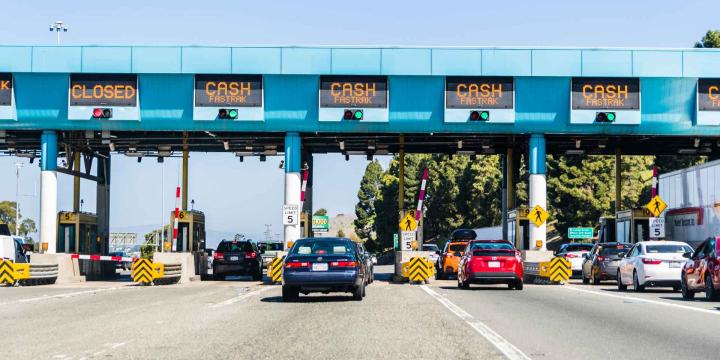
Part 2 of this course considers the opportunities and challenges of adopting autonomous vehicles for the future of the built environment, safety and urban development.
Autonomous Vehicles: Technology, Trends and Planning Concerns
Explore the technology, terminology, history, trends and concerns behind autonomous vehicles and learn about the past, present and possible future of AVs on the global landscape — and the key challenges they present to planners.
Digital Accessibility for Planners: Documents - Part 1
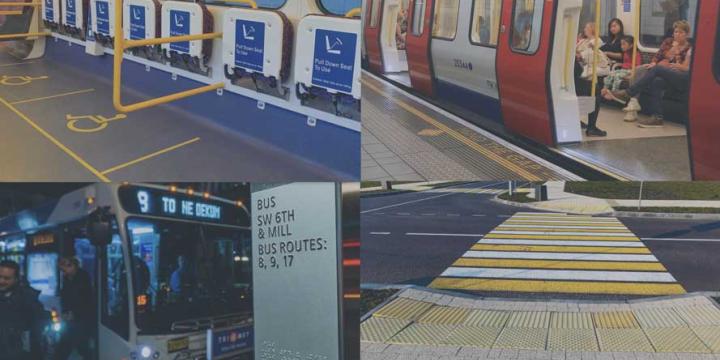
By the end of this course, planners will be able to address common access barriers in documents they produce. The first course will provide an introduction to the topic and initial skills, while the second course will dive into more "advanced" skills.
Generative AI, Ethics, and the Future of Urban Planning
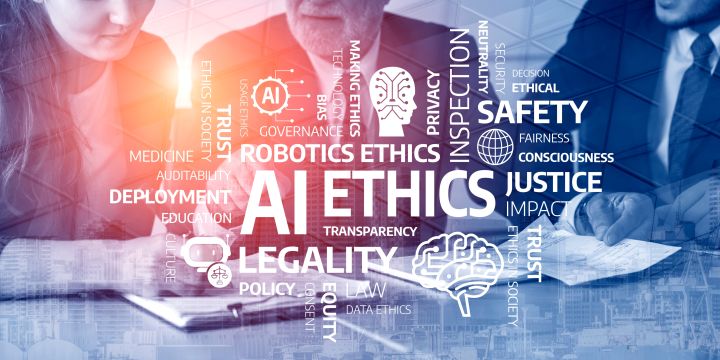
Explore the ethical and equity implications of using generative AI in urban planning. This course addresses bias, transparency, public trust, emerging tools like digital twins, and offers practical guidance for responsible adoption.
Enhancing Public Participation with Generative AI
This tutorial shows how generative AI can enhance inclusive and responsive public participation in urban planning by summarizing feedback, tailoring outreach, and visualizing scenarios using real-world tools and examples.
Walkable City 2: The Useful Walk
Learn the principal components of “the useful walk,” how zoning can create walkability and boost housing density, and why visual components are key to a walkable city.
Walkable City 1: Why Walkability?
Jeff Speck explains his five principal reasons for building more walkable places — Economics, the Environment, Public Health, Equity, and Social Cohesiveness — arming practitioners with a full range of arguments in favor of pro-walkability planning.
The Good Street: A New Methodology for Balancing Place and Flow
International urban design consultant Lennart Nout explains the Dutch method for balancing conflicts between urban vibrancy and traffic flow and between different modes of transportation.
Good Speed by Design: A Network Approach to Traffic Calming
Lennart Nout explains how to slow down car traffic with a comprehensive, network-level approach that goes far beyond just speed bumps.
Design for Peace and Democracy
Explore how our designed environments can promote and support peace and democracy using historic examples of how the built environment – including parks, squares and streets – can be an instrument of oppression and serve as forums for both tyranny and uprising. We’ll return to the U.S. for stories closer to home, and frame the future in hope and optimism.
Green Infrastructure
This course defines green infrastructure, highlights its types and benefits, discusses monetary valuation and financing, and explores its role in addressing climate change, equity, and technological change.
Plain Language 102: Integrating Words and Images for Effective Communication
Build on your foundational knowledge from Plain Language 101 by exploring the power of visual presentation and layout.
How to Scope for Plan Implementation
Learn hands-on steps and procedures for creating a well-scoped and funding-ready planning study.
Navigating the Ethical Landscape for AI in Urban Planning
Uncover some of the largest ethical issues related to using AI in urban planning and the steps cities around the world are taking to ensure fairness, honesty, and accountability as this revolutionary technology becomes more embedded in the modern world.
Plain Language 101: Techniques to Write Clear, Readable, Inclusive Planning Materials
This course covers the basics of writing in plain language through a series of interactive chapters.
Planning the Plan: How to Develop the Scope for a Planning Study
Learn the basic steps involved in developing general planning processes, scope structure, and implementable outcomes.
Roadways for People, Part 2
Home in on the Community Solutions Based Approach through the example of a recent project in Baltimore, Maryland to re-reroute and update an Amtrak tunnel that would affect the predominantly Black neighborhood of Reservoir Hill.
Roadways for People, Part 1
Using Portland's I-5 Rose Quarter Improvement Project as a central case study, Lynn Peterson and co-instructor Elizabeth Doerr explore why and how we need a more inclusive, people-centered transportation planning process.
The 21st Century Comprehensive Plan
Uncover the emerging and valuable qualities of the 21st century comprehensive plan that can be used to define visions for the future, including robust community engagement, crosscutting themes, and an accountable implementation program.