

Environmental Planning Courses




- AIA CES
- AICP CM
- CNU-A
- SACPLAN CPD

- AICP CM
- SACPLAN CPD

- AIA CES
- AICP CM
- CNU-A
- SACPLAN CPD


- AICP CM
- SACPLAN CPD


- AIA CES
- AICP CM
- CNU-A
- SACPLAN CPD
- AIA CES
- AICP CM
- CNU-A
- SACPLAN CPD

- AICP CM
- SACPLAN CPD


- AIA CES
- AICP CM
- CNU-A
- SACPLAN CPD
- SACPLAN CPD


- AIA CES
- AICP CM
- CNU-A
- SACPLAN CPD

Top Environmental Planning Instructors























Master Urban Planning Skills With A Planetizen Courses Subscription.
Sign up
High quality video lessons developed by experts.

Complete course work to receive a certificate from Planetizen.

Test your comprehension with course quizzes.

Access reading lists, articles, and other materials prepared by instructors.
All Environmental Planning Courses
Accessory Dwelling Units: Understanding America’s Newest Housing Typology
Explore the latest ADU policy developments from leading American cities, key challenges and opportunities for increasing or limiting ADU production, first-hand examples, and best practices in ADU affordability programs.


Introduction to Resilience Planning
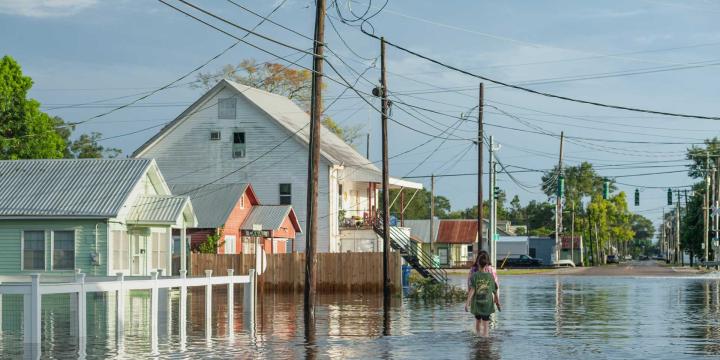
This course introduces key concepts of resilience planning and explains how to incorporate resilience planning in communities.
Transportation Planning: Land Use and Transportation Systems
This course includes a brief history of how land use and transportation have co-evolved over the last 150 years and reviews the roles of transportation systems and technology in influencing land value and locational decision.
Climate Change Vulnerability Assessment for Cities
This course provides instruction on assessing the impacts of climate change on local assets and populations.