

Parking Courses


- CIP
- AIA CES
- AICP CM
- CNU-A
- SACPLAN CPD




- AICP CM
- CNU-A
- SACPLAN CPD


- AIA CES
- AICP CM
- CNU-A
- SACPLAN CPD


- AIA CES
- AICP CM
- CNU-A
- SACPLAN CPD


- AIA CES
- AICP CM
- CNU-A
- SACPLAN CPD


- AIA CES
- AICP CM
- CNU-A
- SACPLAN CPD

- CIP
- AIA CES
- AICP CM


- AIA CES
- AICP CM
- CNU-A
- SACPLAN CPD

- AIA CES
- AICP CM

- AIA CES
- AICP CM
- CNU-A
- SACPLAN CPD



- AIA CES
- AICP CM
- CNU-A
- SACPLAN CPD


Top Parking Instructors












Master Urban Planning Skills With A Planetizen Courses Subscription.
Sign up
High quality video lessons developed by experts.

Complete course work to receive a certificate from Planetizen.

Test your comprehension with course quizzes.

Access reading lists, articles, and other materials prepared by instructors.
All Parking Courses
U.S. Housing Policy: What Every Planner Needs to Know
Planners play an essential role in understanding and addressing the regulatory, social, and economic barriers to affordable housing. This course offers an overview of U.S. housing policy from its historical roots to modern challenges and solutions.


Accessory Dwelling Units: Understanding America’s Newest Housing Typology
Explore the latest ADU policy developments from leading American cities, key challenges and opportunities for increasing or limiting ADU production, first-hand examples, and best practices in ADU affordability programs.
Incremental Code Reform: Enabling Better Places
The Congress for the New Urbanism’s Project for Code Reform streamlines the zoning code reform process by providing local governments with place-specific incremental zoning code changes that address the most problematic barriers first, build political will, and ultimately create more walkable, prosperous, and equitable places.
Introduction to Planning: Zoning as an Implementation Tool
This course discusses the Zoning Ordinance - its structure, its relationship to the plan and the sometimes confusing procedures through which it is modified and varied.
Introduction to Planning: The Comprehensive Plan
In this course we will discuss the comprehensive plan, sometimes called a “master plan” or a “general plan.”
Urban Design for Planners 1: Software Tools
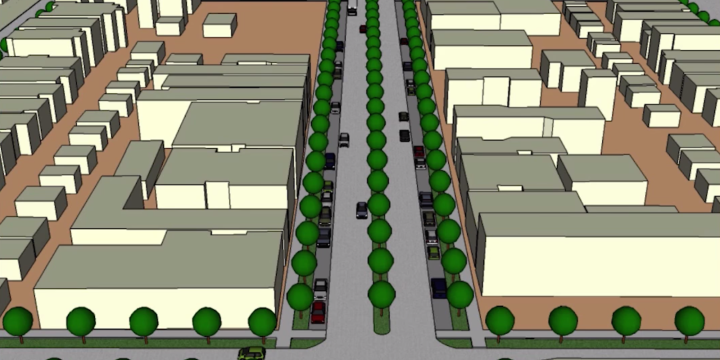
Urban planners and urban designers are interested in building places that embody beauty and hope. In this course, Emily Talen, PhD, FAICP, presents free urban design software tools that can help urban planners and urban designers visualize changes in the built environment to support the overarching goal of creating better places.
Introduction to the UrbanSim Cloud Platform
At the end of this course, participants will be acquainted with the UrbanSim forecasting methodology, understanding the features available in the UrbanSim Cloud Platform and the basics of an UrbanSim model at the Census block level.
Legal Issues in Sign Codes
This course provides basic knowledge of the legal issues involved in sign codes, focusing on constitutionally-compliant sign codes in the aftermath of U.S. Supreme Court's recent decision in Reed v Town of Gilbert
Form-Based Codes 101: Introduction
This course defines form-based codes, explains why they were invented, and distinguishes form-based codes from conventional "use-based" zoning ordinances—all with an emphasis on placemaking and walkability. We will provide an overview of the development of form-based codes, their mandatory and optional component parts, and the importance of making form-based codes context or place-specific.