

Resilience Planning Courses

- AIA CES
- AICP CM
- CNU-A
- SACPLAN CPD


- AIA CES
- AICP CM
- CNU-A
- SACPLAN CPD
- AICP CM
- CNU-A
- SACPLAN CPD
- AIA CES
- AICP CM
- CNU-A
- SACPLAN CPD
- CIP
- AIA CES
- AICP CM
- SACPLAN CPD
- AICP CM
- CNU-A
- SACPLAN CPD
- AIA CES
- AICP CM
- CNU-A
- SACPLAN CPD
- AIA CES
- AICP CM
- CNU-A
- SACPLAN CPD


- AICP CM
- SACPLAN CPD
- AIA CES
- AICP CM
- CNU-A
- SACPLAN CPD

- AIA CES
- AICP CM
- CNU-A
- SACPLAN CPD

- AICP CM
- SACPLAN CPD
- AICP CM
- SACPLAN CPD
Top Resilience Planning Instructors















Master Urban Planning Skills With A Planetizen Courses Subscription.
Sign up
High quality video lessons developed by experts.

Complete course work to receive a certificate from Planetizen.

Test your comprehension with course quizzes.

Access reading lists, articles, and other materials prepared by instructors.
All Resilience Planning Courses
Planning Implications and Design for AV Futures
Part 2 of this course considers the opportunities and challenges of adopting autonomous vehicles for the future of the built environment, safety and urban development.


Walkable City 2: The Useful Walk
Learn the principal components of “the useful walk,” how zoning can create walkability and boost housing density, and why visual components are key to a walkable city.
Walkable City 1: Why Walkability?
Jeff Speck explains his five principal reasons for building more walkable places — Economics, the Environment, Public Health, Equity, and Social Cohesiveness — arming practitioners with a full range of arguments in favor of pro-walkability planning.
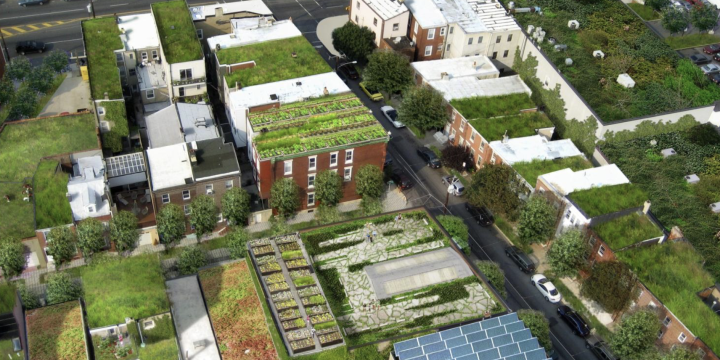
Green Infrastructure
This course defines green infrastructure, highlights its types and benefits, discusses monetary valuation and financing, and explores its role in addressing climate change, equity, and technological change.
Traffic Congestion, Part One: Sources and Responses
Explore the sources of traffic congestion while also examining common preconceptions that inform how planners and policymakers respond to the challenge of reducing congestion, for better or worse.