

Drawing & Painting Courses





- AICP CM
- CNU-A
- SACPLAN CPD
Top Drawing & Painting Instructors




Master Urban Planning Skills With A Planetizen Courses Subscription.
Sign up
High quality video lessons developed by experts.

Complete course work to receive a certificate from Planetizen.

Test your comprehension with course quizzes.

Access reading lists, articles, and other materials prepared by instructors.
All Drawing & Painting Courses
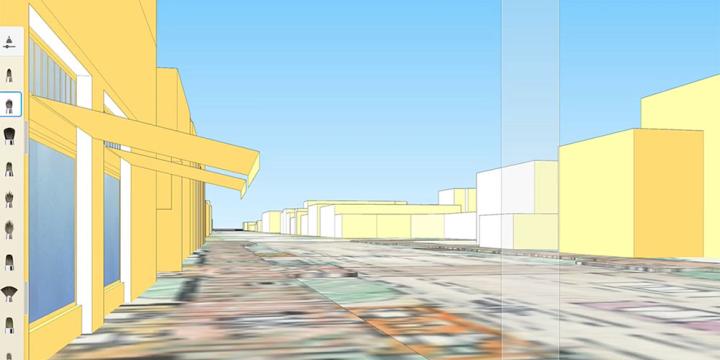
Virtual Reality for Planners 3: Working with Unity
This course provides a high-level overview of the process involved in creating a virtual reality application and teaches viewers how to assemble a virtual reality application from scratch using Unity how to make the process as successful as possible.


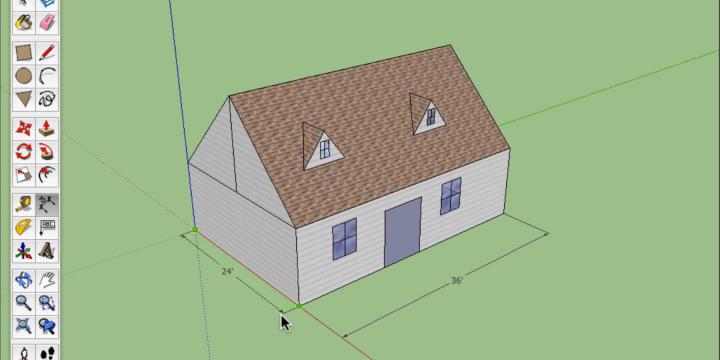
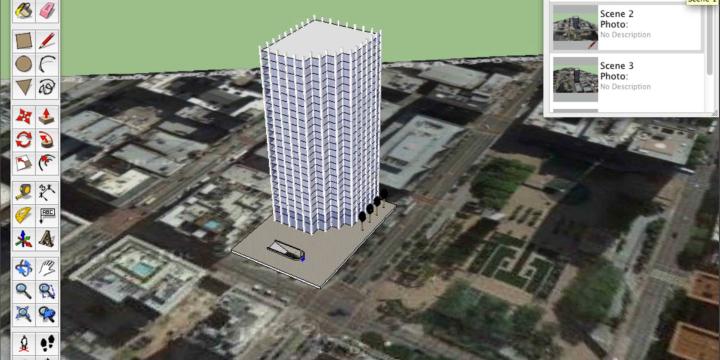
Virtual Reality for Planners 2: Modeling in SketchUp
This course provides a step-by-step SketchUp tutorial and teaches users how to create content appropriate for a virtual reality environment. Viewers will learn how to optimize the performance of their software and ensure success in the next steps of the process, including final model export to Unity.
Virtual Reality for Planners 1: Introduction
Virtual reality presents urban planners with a unique tool to create immersive virtual experiences that can inform visioning processes, design decision-making, and community engagement. Learn about the evolution of virtual reality technology, its key vocabulary and logistics, the benefits of virtual reality over traditional media, and what the future of public engagement may hold.
The Ethics of Disruptive Transportation Technologies
This course discusses the process for making ethical decisions as part of planning for disruptive technologies.
Beyond Complete Streets for Walking and Biking
This course covers current practices in planning and implementation of infrastructure for biking and walking.
Missing Middle Housing: Meeting the Growing Demand for Walkable Urbanism
Learn about Missing Middle Housing and how to integrate these types into existing neighborhoods.
Economic Thinking for Planners: Cities, Externalities, and Governance
Through history, people have become better off as they urbanized. This course investigates how and why the quality of life has improved in cities.
Tactical Urbanism: How It's Done
From unsanctioned crosswalks to city-led "Pavement-to-Plaza" programs, instructor Mike Lydon describes the success of short-term, temporary projects in influencing long-term physical and policy changes in cities across the United States and Canada.
Tactical Urbanism: An Introduction
Developed in conjunction with other movements, the Tactical Urbanism approach allows a host of local actors to test new concepts before making substantial political and financial commitments. Sometimes sanctioned, sometimes not, Tactical Urbanism features the following five characteristics: phased instigation, meeting local planning challenges, realistic and short term, low risk-high gain, and stakeholder capacity building.
Regional Scenario Planning: An Overview
This first of two courses offers a brief history of regional scenario planning in the late 20th century and beyond, with examples from Portland, Oregon's Vision 2040, Salt Lake City's Envision Utah, and the Chicago Metropolis Plan. Principles of regional planning relating to land use, urban design, and transportation are discussed. Finally, more advanced regional planning topics are touched on, including jobs/housing balance, and the relationship between demographics and regional housing market demand.