

Drawing & Painting Courses








- AICP CM
- CNU-A
- SACPLAN CPD

Top Drawing & Painting Instructors




Master Urban Planning Skills With A Planetizen Courses Subscription.
Sign up
High quality video lessons developed by experts.

Complete course work to receive a certificate from Planetizen.

Test your comprehension with course quizzes.

Access reading lists, articles, and other materials prepared by instructors.
All Drawing & Painting Courses
Generative AI Tools and Workflows for Urban Planning
This course introduces planners to the fundamentals of Generative AI (GenAI) and its practical uses in creating text, images, videos, and designs. It highlights how these tools can enhance and streamline urban planning practice.


Walkable City 1: Why Walkability?
Jeff Speck explains his five principal reasons for building more walkable places — Economics, the Environment, Public Health, Equity, and Social Cohesiveness — arming practitioners with a full range of arguments in favor of pro-walkability planning.
Right-Sizing Zoning for Better Outcomes
Using elements of the built environment that contribute to a community’s unique sense of place and examples from across the United States, this course explores how to realign zoning with the goals and policies adopted in community plans.
Accessory Dwelling Units: Understanding America’s Newest Housing Typology
Explore the latest ADU policy developments from leading American cities, key challenges and opportunities for increasing or limiting ADU production, first-hand examples, and best practices in ADU affordability programs.
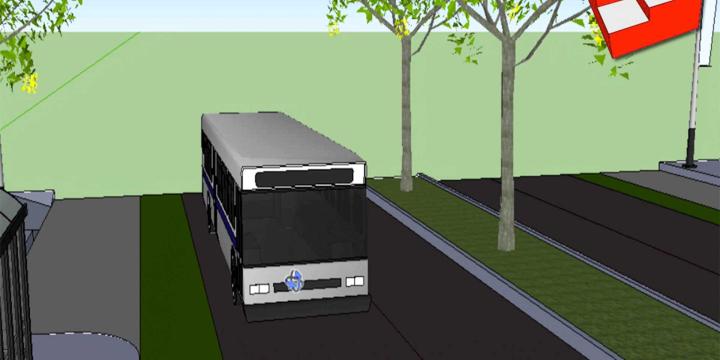
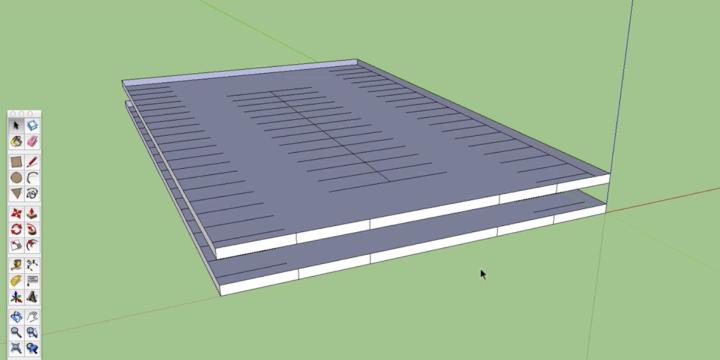
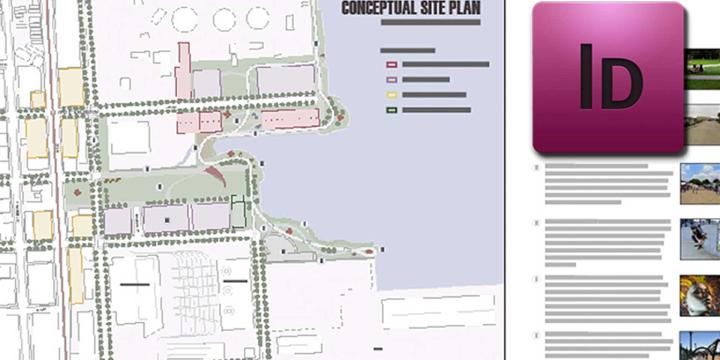
Urban Design for Planners 1: Software Tools
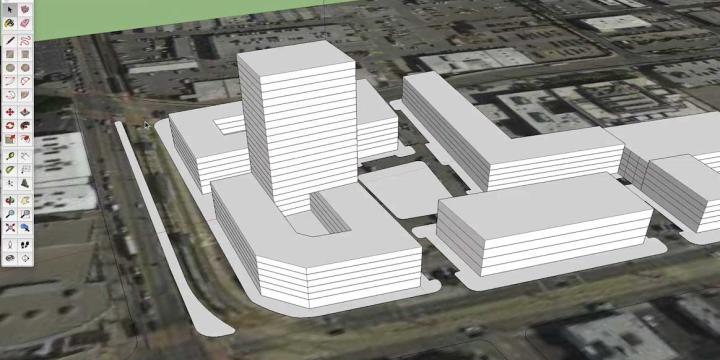
Urban planners and urban designers are interested in building places that embody beauty and hope. In this course, Emily Talen, PhD, FAICP, presents free urban design software tools that can help urban planners and urban designers visualize changes in the built environment to support the overarching goal of creating better places.
Introduction to the UrbanSim Cloud Platform
At the end of this course, participants will be acquainted with the UrbanSim forecasting methodology, understanding the features available in the UrbanSim Cloud Platform and the basics of an UrbanSim model at the Census block level.