

Bicycle Planning Courses



- CIP
- AIA CES
- AICP CM
- SACPLAN CPD







Top Bicycle Planning Instructors









Master Urban Planning Skills With A Planetizen Courses Subscription.
Sign up
High quality video lessons developed by experts.

Complete course work to receive a certificate from Planetizen.

Test your comprehension with course quizzes.

Access reading lists, articles, and other materials prepared by instructors.
All Bicycle Planning Courses
How to Survive Your First Planning Commission Meeting
New
This course prepares new planners to confidently navigate their first planning commission meeting and understand the role these meetings play in the broader planning and decision-making process.


Public Speaking, Communication, and Influence for Planners
New
Planners regularly present complex information to decision-makers, community members and project teams, yet many early-career planners receive little training in how to communicate ideas clearly, persuasively and confidently. This course helps planners strengthen their professional voice by developing skills in storytelling, public speaking and persuasive communication.
Own Your Worth: Salary Negotiation & Strategic Career Growth for Planners
New
This course equips new planners with practical strategies to navigate compensation conversations, build a professional portfolio, and plan their long-term career growth.
The First Five Years: A Practical Land Use Toolbox for New Planners
This practical course offers an essential "land use toolbox" for early-career planners working in both the public and private sectors that outlines how core planning processes, from permits and development reviews to public meetings and everyday counter interactions, actually work in practice.
Reinventing Malls: Planning Alchemy—Turning Gray Fields Into Gold
Explore the need and opportunity to reinvent aging mall sites into vibrant, inclusive, and economically valuable centers for 21st-century communities.
Walkable City 1: Why Walkability?
Jeff Speck explains his five principal reasons for building more walkable places — Economics, the Environment, Public Health, Equity, and Social Cohesiveness — arming practitioners with a full range of arguments in favor of pro-walkability planning.
The Good Street: A New Methodology for Balancing Place and Flow
International urban design consultant Lennart Nout explains the Dutch method for balancing conflicts between urban vibrancy and traffic flow and between different modes of transportation.
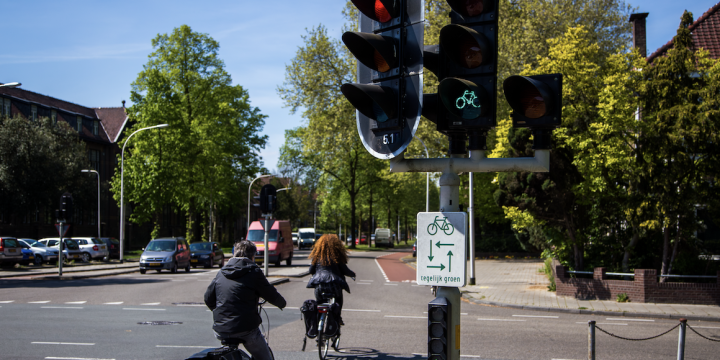
Principles of Intersection Design
Lennart Nout and Nick Falbo explain how Dutch traffic engineers make decisions around intersection design and dissect the crown jewel of Dutch bike infrastructure: the protected bike lane intersection.
Good Speed by Design: A Network Approach to Traffic Calming
Lennart Nout explains how to slow down car traffic with a comprehensive, network-level approach that goes far beyond just speed bumps.
Introduction to Dutch Network Planning
An overview of how the Netherlands became the safest country in the world for cycling, and how other countries can replicate their success by thinking about cycling infrastructure on a network level.
Building Bad, Part 1: How Architectural Utility is Constrained by Politics
Discover the theory of “Building Bad”: an examination of the costs and benefits that can limit the functionality of buildings in exchange for profits.
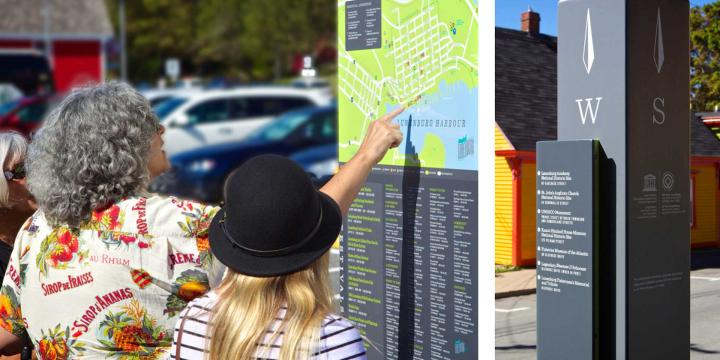
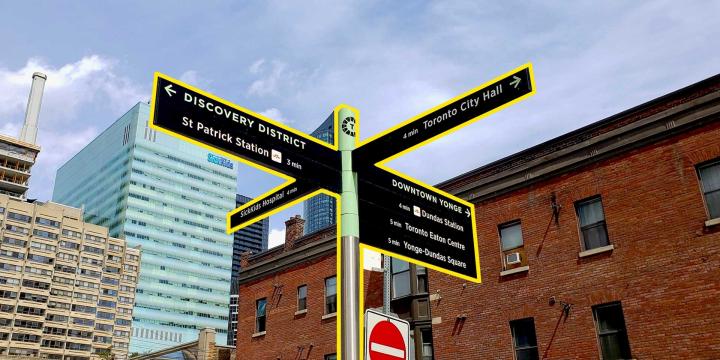
Designing a Wayfinding System
Learn how to create a comprehensive wayfinding signage system for your municipality from start to finish.
Planning a Municipal Wayfinding System
Often overlooked, wayfinding is important for urban design, accessibility, and economic development. Learn the elements of a successful wayfinding system in this course.
A New Era of Downtown Opportunity: The Intersection of Housing and Innovation
Learn specific policy and urban design strategies for adapting downtowns to a new role: innovation communities.
Prospects for Zoning Reform
Catch up on the contemporary policy debates about zoning reform in the United States by learning from one of the nation’s leading voices on the subject, Brookings Institution Senior Fellow Jenny Schuetz.
Introduction to Transit Oriented Development
Few terms are as common in the discussion of city and regional planning in the 21st century as transit oriented development (TOD)—the planning and designing of high-demand land uses at or near highly efficient modes of transportation.
Zoning for Incremental Development
Zoning codes can be crafted to lower the barriers to neighborhood-scale development and infill housing by providing specific tools for more equitable and affordable development.
Controlling Rents
This course introduces planners to the debate surrounding rent control, discussing both what rent control is able to accomplish, and where it often has unintended consequences.
Methods for Neighborhood Scale Revitalization
This course presents a rigorous but adaptable methodology that builds on the strengths of neighborhoods to develop customized approaches for addressing challenges that directly respond to the needs and vision of each neighborhood.
The Elements of Citymaking: Design, Policy, and Finance
Examine the theory of city-making at various scales, ranging from a development site at the smallest scale to the largest urban regions.