

Bicycle Planning Courses





- CIP
- AIA CES
- AICP CM
- SACPLAN CPD



Top Bicycle Planning Instructors









Master Urban Planning Skills With A Planetizen Courses Subscription.
Sign up
High quality video lessons developed by experts.

Complete course work to receive a certificate from Planetizen.

Test your comprehension with course quizzes.

Access reading lists, articles, and other materials prepared by instructors.
All Bicycle Planning Courses
How to Survive Your First Planning Commission Meeting
New
This course prepares new planners to confidently navigate their first planning commission meeting and understand the role these meetings play in the broader planning and decision-making process.


Public Speaking, Communication, and Influence for Planners
New
Planners regularly present complex information to decision-makers, community members and project teams, yet many early-career planners receive little training in how to communicate ideas clearly, persuasively and confidently. This course helps planners strengthen their professional voice by developing skills in storytelling, public speaking and persuasive communication.
Own Your Worth: Salary Negotiation & Strategic Career Growth for Planners
New
This course equips new planners with practical strategies to navigate compensation conversations, build a professional portfolio, and plan their long-term career growth.
The First Five Years: A Practical Land Use Toolbox for New Planners
This practical course offers an essential "land use toolbox" for early-career planners working in both the public and private sectors that outlines how core planning processes, from permits and development reviews to public meetings and everyday counter interactions, actually work in practice.
US Disability Access Laws for Planners
Explore the key disability rights laws that shape planners' work — including the Americans with Disabilities Act, the Architectural Barriers Act, the Fair Housing Act and the Rehabilitation Act of 1973 — to understand their core provisions.
Digital Accessibility for Planners – Web
Explore techniques to make their web content created by planners accessible to people with disabilities and compliant with regulations and laws that support disability access. Examples include social media, public outreach and input mechanisms and agency and plan websites.
Digital Accessibility for Planners: Documents – Part 2
Part two of this course series demonstrates more advanced techniques planners can use to ensure their documents are accessible.
Digital Accessibility for Planners: Documents - Part 1
By the end of this course, planners will be able to address common access barriers in documents they produce. The first course will provide an introduction to the topic and initial skills, while the second course will dive into more "advanced" skills.
Enhancing Public Participation with Generative AI
This tutorial shows how generative AI can enhance inclusive and responsive public participation in urban planning by summarizing feedback, tailoring outreach, and visualizing scenarios using real-world tools and examples.
Generative AI Tools and Workflows for Urban Planning
This course introduces planners to the fundamentals of Generative AI (GenAI) and its practical uses in creating text, images, videos, and designs. It highlights how these tools can enhance and streamline urban planning practice.
Designing the Built Environment for People With Autism Spectrum Disorder
This course covers how autistic people experience urban and natural environments and the design techniques used to improve their experience.
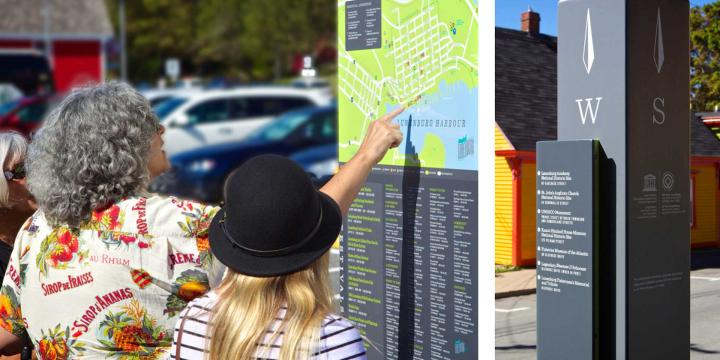
Designing a Wayfinding System
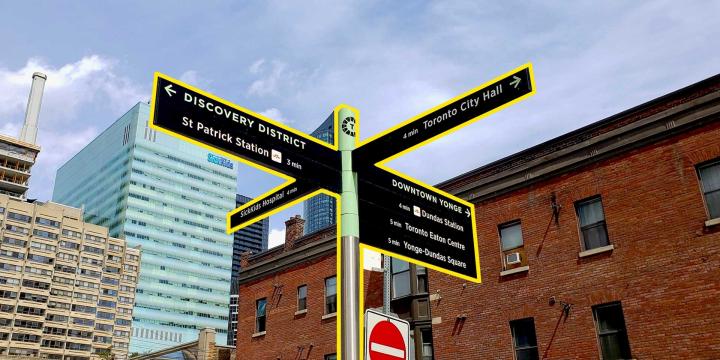
Learn how to create a comprehensive wayfinding signage system for your municipality from start to finish.
Planning a Municipal Wayfinding System
Often overlooked, wayfinding is important for urban design, accessibility, and economic development. Learn the elements of a successful wayfinding system in this course.
Introduction to Transit Oriented Development
Few terms are as common in the discussion of city and regional planning in the 21st century as transit oriented development (TOD)—the planning and designing of high-demand land uses at or near highly efficient modes of transportation.
Women and Cities 5: The Feminist Future City
This final chapter speculates on what a feminist city could look like, recalling case studies and ancient examples that include contemporary contexts but also consider future needs for a more heart-centered city designed for everyone.
Women and Cities 4: Gender Equity in the Public Sphere
This course will outline the way in which women have occupied public spaces and the transition into a greater level of visibility for women in cities.
Women and Cities 3: Gender Equity in Private Life
This course explores interiors as they relate to gender equity using several case studies as examples.
Planning for Universal Design
At the end of this course, you will be familiar with the tenets of Universal Design and how it differs from Americans with Disabilities Act (ADA) compliance. You'll also be able to identify tools for implementing Universal Design in planning regulations.
Mindfulness And Self-Care for Urban Planners
This course will walk participants through three mindfulness exercises and offer prompts for reflection and self-care.
Bringing Emotional Intelligence to Urban Planning Work
This course will help you understand what emotional intelligence is, what the component parts of emotional intelligence are, and understand some strategies to try in each of these areas.