

Resilience Planning Courses

- AIA CES
- AICP CM
- CNU-A
- SACPLAN CPD



- AIA CES
- AICP CM
- CNU-A
- SACPLAN CPD

- AICP CM
- SACPLAN CPD
- AICP CM
- SACPLAN CPD

- AICP CM
- SACPLAN CPD
- CIP
- AIA CES
- AICP CM
- SACPLAN CPD
- AIA CES
- AICP CM
- CNU-A
- SACPLAN CPD


- AIA CES
- AICP CM
- CNU-A
- SACPLAN CPD



- AIA CES
- AICP CM
- CNU-A
- SACPLAN CPD

- AICP CM
- CNU-A
- SACPLAN CPD

- AIA CES
- AICP CM
- CNU-A
- SACPLAN CPD

- CIP
- AIA CES
- AICP CM
- SACPLAN CPD
- AICP CM
- CNU-A
- SACPLAN CPD
Top Resilience Planning Instructors
















Master Urban Planning Skills With A Planetizen Courses Subscription.
Sign up
High quality video lessons developed by experts.

Complete course work to receive a certificate from Planetizen.

Test your comprehension with course quizzes.

Access reading lists, articles, and other materials prepared by instructors.
All Resilience Planning Courses
ArcGIS Pro Fundamentals and Beginner Analysis
New
This course introduces essential spatial analysis and data management techniques in ArcGIS Pro. You'll learn how to perform spatial queries and selections, symbolize and label data effectively, and utilize data editing and geoprocessing tools.
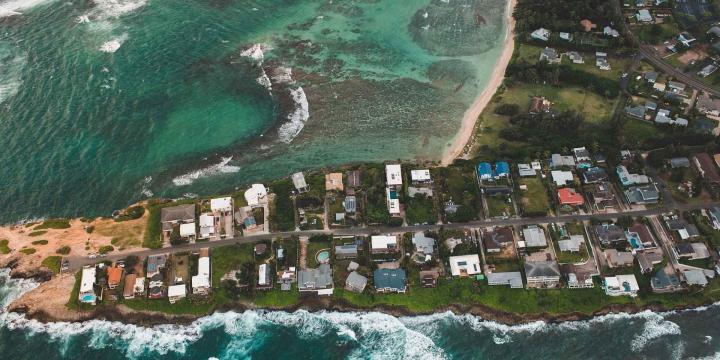
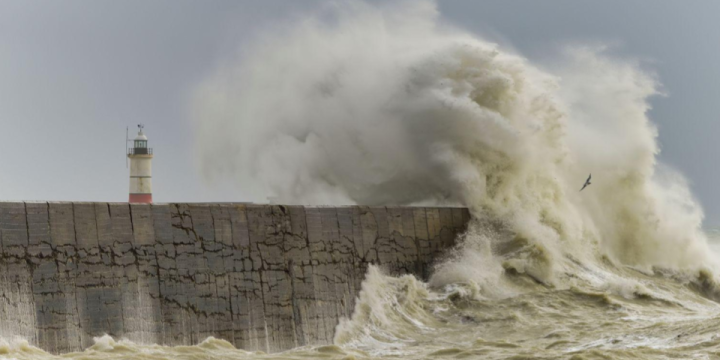
Resilience Planning for Coastal Hazards
Across the world, sea levels are rising and storm surge events are intensifying, while development is increasing in vulnerable coastal areas and groundwater depletion is causing land to sink. Urban planners are uniquely positioned to join the battle against rising seas.

