

Data Analysis Courses


- AIA CES
- AICP CM


- CIP
- AIA CES
- AICP CM
- SACPLAN CPD






- CIP
- AIA CES
- AICP CM



- CIP
- AIA CES
- AICP CM


- AICP CM

- AICP CM
- CNU-A
- SACPLAN CPD
Top Data Analysis Instructors














Master Urban Planning Skills With A Planetizen Courses Subscription.
Sign up
High quality video lessons developed by experts.

Complete course work to receive a certificate from Planetizen.

Test your comprehension with course quizzes.

Access reading lists, articles, and other materials prepared by instructors.
All Data Analysis Courses
Introductory Urban Economics Analysis with Excel
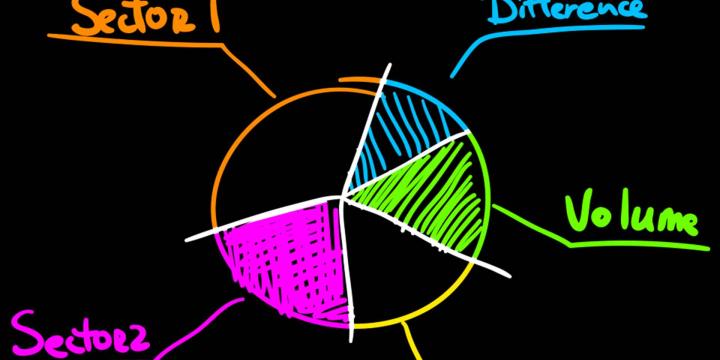
Economic data is all around us. When we buy coffee or go to the movies, each of those actions involve an economic exchange or a trade of resources. This course teaches Microsoft Excel in applying the concepts of economics to the work of planners. By discussing data analysis techniques, such as sector analysis and economic base calculation with location quotient, you will gain the skills to work with economic data and become a more informed participant in the economic marketplace.


Tactical Urbanism: An Introduction
Developed in conjunction with other movements, the Tactical Urbanism approach allows a host of local actors to test new concepts before making substantial political and financial commitments. Sometimes sanctioned, sometimes not, Tactical Urbanism features the following five characteristics: phased instigation, meeting local planning challenges, realistic and short term, low risk-high gain, and stakeholder capacity building.
Video for Planners
Video can be a highly effective tool for communicating urban planning issues as well as increasing public knowledge and community engagement. This video course will walk you through the three steps of creating a video: capturing the footage, creating the video with editing software, and distributing video across the web. We’ll look at examples of urban planning departments that have used video well, and review different content types that you can use as a model.
Ethics: Balancing a Business Friendly Planning Environment, Part 2
Over the past several years, the private sector, led by developers, has increasingly courted, conflicted and collaborated with planning departments amid shrinking budgets. As business interests engage and influence public agencies and planning strategy, the role of ethics is of increasing importance for the practicing planner. This is the second of a two-part series that evaluates and analyses the role of planners, from public window staff to department heads, in an increasingly business-friendly environment.
Ethics: Balancing a Business Friendly Planning Environment
Over the past few decades and increasingly over the past several years, the private sector, led by developers, has increasingly courted, conflicted and collaborated with planning departments amid shrinking budgets. As business interests engage and influence public agencies and planning strategy, the role of ethics is of increasing importance for the practicing planner. This is the first of a two-part series that evaluates and analyses the role of planners, from public window staff to department heads, in an increasingly business-friendly environment.