

Bicycle Planning Courses










- CIP
- AIA CES
- AICP CM
- SACPLAN CPD
Top Bicycle Planning Instructors









Master Urban Planning Skills With A Planetizen Courses Subscription.
Sign up
High quality video lessons developed by experts.

Complete course work to receive a certificate from Planetizen.

Test your comprehension with course quizzes.

Access reading lists, articles, and other materials prepared by instructors.
All Bicycle Planning Courses
The First Five Years: A Practical Land Use Toolbox for New Planners
This practical course offers an essential "land use toolbox" for early-career planners working in both the public and private sectors that outlines how core planning processes, from permits and development reviews to public meetings and everyday counter interactions, actually work in practice.


Planning Implications and Design for AV Futures
Part 2 of this course considers the opportunities and challenges of adopting autonomous vehicles for the future of the built environment, safety and urban development.
Zoning Code Reform: Legal and Practical Considerations When Making “Quick Fixes” to Your Zoning Code
This course helps both public and private sector planners update and streamline their Zoning Code Standards of Review using legally sound best planning practices.
Federal Takings Law: Balancing Private Property Rights With the Public Interest, Part II
This course explores how the U.S. Constitution and federal takings law influence local planning, helping planners understand property rights, key court decisions, and strategies for advancing the public interest while remaining legally compliant.
Federal Takings Law: Balancing Private Property Rights with the Public Interest
This course explores how the U.S. Constitution and federal takings law shape local planning, helping planners understand property rights, recognize legal risks, and advance the public interest within constitutional limits.
Walkable City 6: The Interesting Walk
People are most interested in other people — so an appealing walk is one shaped by urban design that hides parking lots, avoids blank walls and monotony, shows signs of human habitation and craftsmanship, celebrates regional character, and offers a human scale.
Walkable City 5: The Comfortable Walk
To encourage walking, cities must create comfortable, well-designed pedestrian environments — like outdoor living rooms — with clear orientation, shade, tree cover, and cohesive design, achievable through tools like form-based codes, urban forestry plans, and strong urban design.
Walkable City 3: The Safe Walk (A)
Pedestrian deaths are up 78% since 2009. While car use and size are long-term issues, safer street design — like narrower lanes and two-way roads — can reduce speeding now.
Walkable City 2: The Useful Walk
Learn the principal components of “the useful walk,” how zoning can create walkability and boost housing density, and why visual components are key to a walkable city.
Walkable City 1: Why Walkability?
Jeff Speck explains his five principal reasons for building more walkable places — Economics, the Environment, Public Health, Equity, and Social Cohesiveness — arming practitioners with a full range of arguments in favor of pro-walkability planning.
Resilience Planning for Heat and Drought Events
Learn how cities can prepare their infrastructure and social services for heat waves and droughts in a warming world.
Resilience Planning for Coastal Hazards
Across the world, sea levels are rising and storm surge events are intensifying, while development is increasing in vulnerable coastal areas and groundwater depletion is causing land to sink. Urban planners are uniquely positioned to join the battle against rising seas.
U.S. Housing Policy: What Every Planner Needs to Know
Planners play an essential role in understanding and addressing the regulatory, social, and economic barriers to affordable housing. This course offers an overview of U.S. housing policy from its historical roots to modern challenges and solutions.
Arbitrary Lines: How Zoning Broke the American City and How to Fix it
Nolan Gray presents the complex history of zoning regulation, showing how major legislative decisions led to the country's current state of car reliance, sprawl, and inequity. Now, zoning reform is in the air. But why stop at mere reform?
History of U.S. Landscape Architecture, Part 1
Kristin Faurest explores the history of the profession of landscape architecture from its origins through the 1960s, providing a vibrant global context of how humankind has shaped its landscape over the ages.
Designing a Wayfinding System
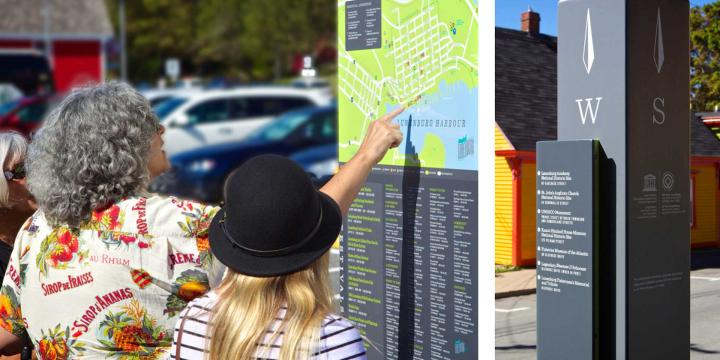
Learn how to create a comprehensive wayfinding signage system for your municipality from start to finish.
Planning a Municipal Wayfinding System
Often overlooked, wayfinding is important for urban design, accessibility, and economic development. Learn the elements of a successful wayfinding system in this course.
Accessory Dwelling Units: Understanding America’s Newest Housing Typology
Explore the latest ADU policy developments from leading American cities, key challenges and opportunities for increasing or limiting ADU production, first-hand examples, and best practices in ADU affordability programs.
Race, Space, and Planning
This course discusses the relationship among race, space and planning, providing an overview of key dates and events relating to systemic racism in the United States.
Introduction to Resilience Planning
This course introduces key concepts of resilience planning and explains how to incorporate resilience planning in communities.