

Bicycle Planning Courses





- CIP
- AIA CES
- AICP CM
- SACPLAN CPD

Top Bicycle Planning Instructors









Master Urban Planning Skills With A Planetizen Courses Subscription.
Sign up
High quality video lessons developed by experts.

Complete course work to receive a certificate from Planetizen.

Test your comprehension with course quizzes.

Access reading lists, articles, and other materials prepared by instructors.
All Bicycle Planning Courses
Planning Implications and Design for AV Futures
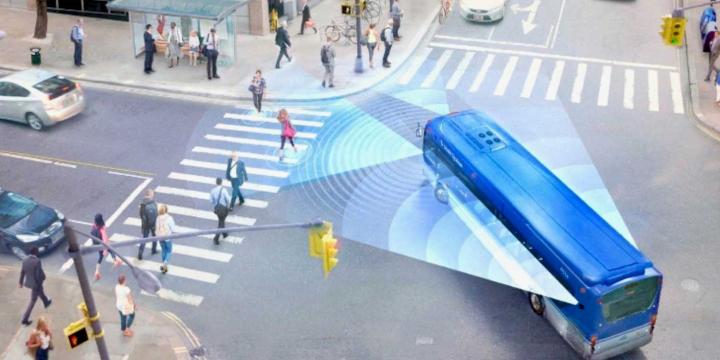
Part 2 of this course considers the opportunities and challenges of adopting autonomous vehicles for the future of the built environment, safety and urban development.


Autonomous Vehicles: Technology, Trends and Planning Concerns
Explore the technology, terminology, history, trends and concerns behind autonomous vehicles and learn about the past, present and possible future of AVs on the global landscape — and the key challenges they present to planners.
Digital Accessibility for Planners – Web
Explore techniques to make their web content created by planners accessible to people with disabilities and compliant with regulations and laws that support disability access. Examples include social media, public outreach and input mechanisms and agency and plan websites.
Enhancing Public Participation with Generative AI
This tutorial shows how generative AI can enhance inclusive and responsive public participation in urban planning by summarizing feedback, tailoring outreach, and visualizing scenarios using real-world tools and examples.
Walkable City 2: The Useful Walk
Learn the principal components of “the useful walk,” how zoning can create walkability and boost housing density, and why visual components are key to a walkable city.
Walkable City 1: Why Walkability?
Jeff Speck explains his five principal reasons for building more walkable places — Economics, the Environment, Public Health, Equity, and Social Cohesiveness — arming practitioners with a full range of arguments in favor of pro-walkability planning.
Good Speed by Design: A Network Approach to Traffic Calming
Lennart Nout explains how to slow down car traffic with a comprehensive, network-level approach that goes far beyond just speed bumps.
Designing the Built Environment for People With Autism Spectrum Disorder
This course covers how autistic people experience urban and natural environments and the design techniques used to improve their experience.
Green Infrastructure
This course defines green infrastructure, highlights its types and benefits, discusses monetary valuation and financing, and explores its role in addressing climate change, equity, and technological change.
Designing a Wayfinding System
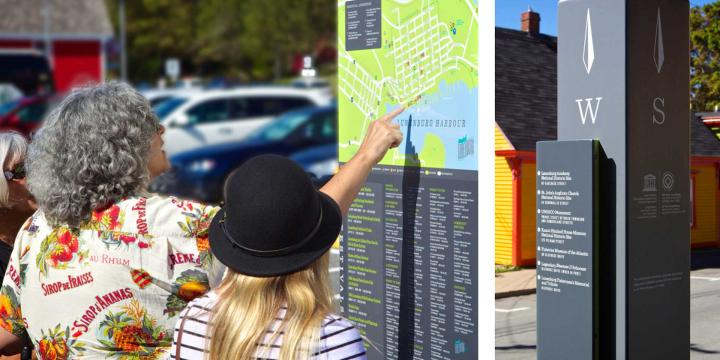
Learn how to create a comprehensive wayfinding signage system for your municipality from start to finish.
Planning a Municipal Wayfinding System
Often overlooked, wayfinding is important for urban design, accessibility, and economic development. Learn the elements of a successful wayfinding system in this course.
Introduction to Transit Oriented Development
Few terms are as common in the discussion of city and regional planning in the 21st century as transit oriented development (TOD)—the planning and designing of high-demand land uses at or near highly efficient modes of transportation.
The Right Price for Curb Parking
Setting the right price for on-street, curb parking, requires a thorough understanding of the theory and practice of demand-based pricing.
Traffic Congestion, Part One: Sources and Responses
Explore the sources of traffic congestion while also examining common preconceptions that inform how planners and policymakers respond to the challenge of reducing congestion, for better or worse.
Women and Cities 5: The Feminist Future City
This final chapter speculates on what a feminist city could look like, recalling case studies and ancient examples that include contemporary contexts but also consider future needs for a more heart-centered city designed for everyone.
Women and Cities 4: Gender Equity in the Public Sphere
This course will outline the way in which women have occupied public spaces and the transition into a greater level of visibility for women in cities.
Women and Cities 3: Gender Equity in Private Life
This course explores interiors as they relate to gender equity using several case studies as examples.
Planning for Universal Design
At the end of this course, you will be familiar with the tenets of Universal Design and how it differs from Americans with Disabilities Act (ADA) compliance. You'll also be able to identify tools for implementing Universal Design in planning regulations.
Parking Benefit Districts
Parking Benefit Districts may be the simplest, cheapest, and fastest way to improve cities, stop subsidizing congestion, protect the environment, and promote economic and social justice by managing curb parking as valuable real estate.
The High Cost Of Minimum Parking Requirements
In The High Cost of Free Parking, course instructor Donald Shoup argued that minimum parking requirements subsidize cars, increase traffic congestion, pollute the air, encourage sprawl, increase housing costs, degrade urban design, prevent walkability, damage the economy, and penalize people who cannot afford a car.