

Writing Courses



- AIA CES
- AICP CM


- CIP
- AIA CES
- AICP CM





- CIP
- AIA CES
- AICP CM


- CIP
- AIA CES
- AICP CM

Top Writing Instructors











Master Urban Planning Skills With A Planetizen Courses Subscription.
Sign up
High quality video lessons developed by experts.

Complete course work to receive a certificate from Planetizen.

Test your comprehension with course quizzes.

Access reading lists, articles, and other materials prepared by instructors.
All Writing Courses
Autonomous Vehicles: Technology, Trends and Planning Concerns
Explore the technology, terminology, history, trends and concerns behind autonomous vehicles and learn about the past, present and possible future of AVs on the global landscape — and the key challenges they present to planners.


Walkable City 6: The Interesting Walk
People are most interested in other people — so an appealing walk is one shaped by urban design that hides parking lots, avoids blank walls and monotony, shows signs of human habitation and craftsmanship, celebrates regional character, and offers a human scale.
Walkable City 3: The Safe Walk (A)
Pedestrian deaths are up 78% since 2009. While car use and size are long-term issues, safer street design — like narrower lanes and two-way roads — can reduce speeding now.
Walkable City 2: The Useful Walk
Learn the principal components of “the useful walk,” how zoning can create walkability and boost housing density, and why visual components are key to a walkable city.
Walkable City 1: Why Walkability?
Jeff Speck explains his five principal reasons for building more walkable places — Economics, the Environment, Public Health, Equity, and Social Cohesiveness — arming practitioners with a full range of arguments in favor of pro-walkability planning.
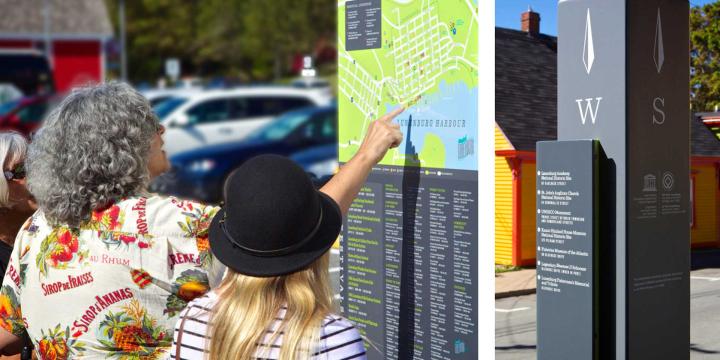
Designing a Wayfinding System
Learn how to create a comprehensive wayfinding signage system for your municipality from start to finish.
Incremental Code Reform: Enabling Better Places
The Congress for the New Urbanism’s Project for Code Reform streamlines the zoning code reform process by providing local governments with place-specific incremental zoning code changes that address the most problematic barriers first, build political will, and ultimately create more walkable, prosperous, and equitable places.