

Public Health Courses

- CIP
- AIA CES
- AICP CM
- SACPLAN CPD

- AICP CM
- SACPLAN CPD

- SACPLAN CPD


- AICP CM
- CNU-A
- SACPLAN CPD
- AICP CM
- CNU-A
- SACPLAN CPD


- CIP
- AIA CES
- AICP CM
- SACPLAN CPD

- AIA CES
- AICP CM
- CNU-A
- SACPLAN CPD


- AIA CES
- AICP CM
- CNU-A
- SACPLAN CPD


- AIA CES
- AICP CM
- CNU-A
- SACPLAN CPD
Top Public Health Instructors





















Master Urban Planning Skills With A Planetizen Courses Subscription.
Sign up
High quality video lessons developed by experts.

Complete course work to receive a certificate from Planetizen.

Test your comprehension with course quizzes.

Access reading lists, articles, and other materials prepared by instructors.
All Public Health Courses
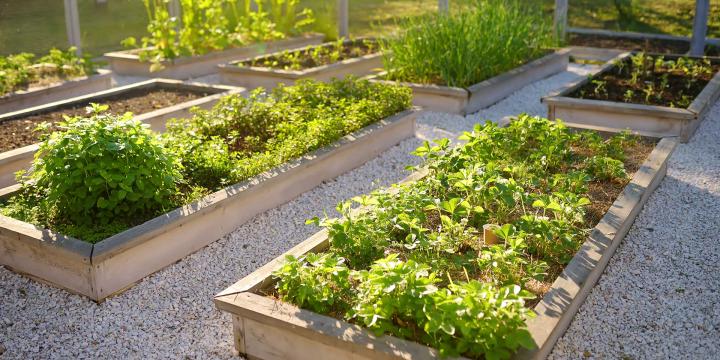
Green Infrastructure
This course defines green infrastructure, highlights its types and benefits, discusses monetary valuation and financing, and explores its role in addressing climate change, equity, and technological change.


Women and Cities 3: Gender Equity in Private Life
This course explores interiors as they relate to gender equity using several case studies as examples.
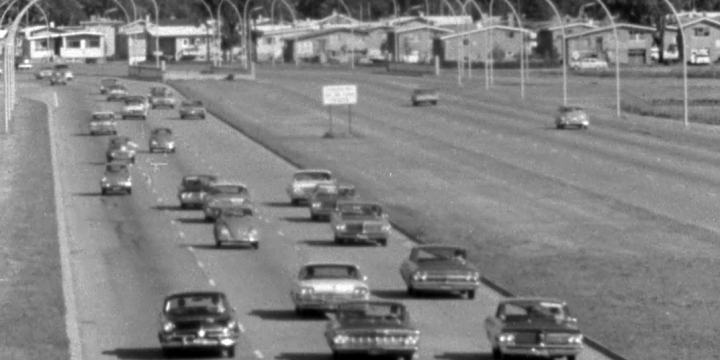
Urban Design for Planners 8: Parking and Traffic
The final course in the Urban Design for Planners series addresses the automobile as part of the urban fabric. The storage of cars and high levels of congestion can be very detrimental to neighborhoods, but good design can mitigate those negative effects.