

Bicycle Planning Courses












- CIP
- AIA CES
- AICP CM
- SACPLAN CPD
Top Bicycle Planning Instructors









Master Urban Planning Skills With A Planetizen Courses Subscription.
Sign up
High quality video lessons developed by experts.

Complete course work to receive a certificate from Planetizen.

Test your comprehension with course quizzes.

Access reading lists, articles, and other materials prepared by instructors.
All Bicycle Planning Courses
How to Survive Your First Planning Commission Meeting
New
This course prepares new planners to confidently navigate their first planning commission meeting and understand the role these meetings play in the broader planning and decision-making process.


Public Speaking, Communication, and Influence for Planners
New
Planners regularly present complex information to decision-makers, community members and project teams, yet many early-career planners receive little training in how to communicate ideas clearly, persuasively and confidently. This course helps planners strengthen their professional voice by developing skills in storytelling, public speaking and persuasive communication.
Own Your Worth: Salary Negotiation & Strategic Career Growth for Planners
New
This course equips new planners with practical strategies to navigate compensation conversations, build a professional portfolio, and plan their long-term career growth.
The First Five Years: A Practical Land Use Toolbox for New Planners
This practical course offers an essential "land use toolbox" for early-career planners working in both the public and private sectors that outlines how core planning processes, from permits and development reviews to public meetings and everyday counter interactions, actually work in practice.
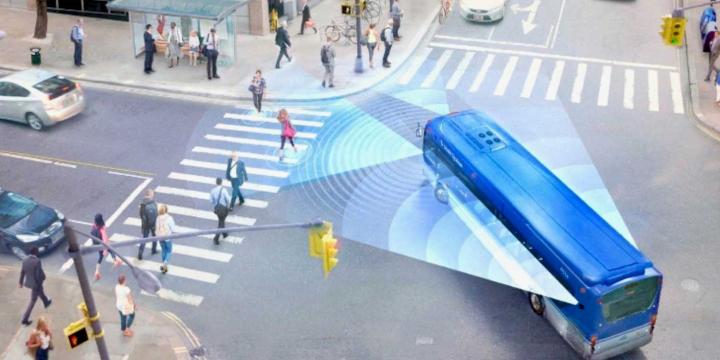
Planning Implications and Design for AV Futures
Part 2 of this course considers the opportunities and challenges of adopting autonomous vehicles for the future of the built environment, safety and urban development.
Autonomous Vehicles: Technology, Trends and Planning Concerns
Explore the technology, terminology, history, trends and concerns behind autonomous vehicles and learn about the past, present and possible future of AVs on the global landscape — and the key challenges they present to planners.
Walkable City 2: The Useful Walk
Learn the principal components of “the useful walk,” how zoning can create walkability and boost housing density, and why visual components are key to a walkable city.
Walkable City 1: Why Walkability?
Jeff Speck explains his five principal reasons for building more walkable places — Economics, the Environment, Public Health, Equity, and Social Cohesiveness — arming practitioners with a full range of arguments in favor of pro-walkability planning.
The Good Street: A New Methodology for Balancing Place and Flow
International urban design consultant Lennart Nout explains the Dutch method for balancing conflicts between urban vibrancy and traffic flow and between different modes of transportation.
Resilience Planning for Heat and Drought Events
Learn how cities can prepare their infrastructure and social services for heat waves and droughts in a warming world.
Good Speed by Design: A Network Approach to Traffic Calming
Lennart Nout explains how to slow down car traffic with a comprehensive, network-level approach that goes far beyond just speed bumps.
Green Infrastructure
This course defines green infrastructure, highlights its types and benefits, discusses monetary valuation and financing, and explores its role in addressing climate change, equity, and technological change.
Landscape Design for Social Sustainability, Part 1
Discover how and why the built environment succeeds or fails at supporting thriving, diverse communities, and how designers can create mechanisms that allow communities to enjoy and improve their environments to suit their needs and desires.
Crime Prevention Through Environmental Design
This course discusses crime as an environmental justice issue and reviews techniques that successfully reduce crime and make communities safer and healthier through Crime Prevention Through Environmental Design (CPTED) theory.
Lighting Regulations and Dark Sky Places
Learn best practices for crafting lighting regulations and dark sky designations that protect night skies and improve environmental and public health.
Introduction to Lighting and Light Pollution
Discover the history and impact of light pollution on human health, the environment, wildlife, ecosystems, and the night sky.
Public Transit During Covid-19: Challenges and Lessons
The Covid-19 pandemic decimated public transit service across the United States, causing significant decreases in ridership. Social equity subsequently suffered, with the riders who depend most on public transit feeling the most tangible impacts.
Crime and Urban Planning in the United States
The spatial patterns and environmental characteristics of urban crime offer planners an opportunity to contribute to building crime-resilient communities.
Introduction to Transit Oriented Development
Few terms are as common in the discussion of city and regional planning in the 21st century as transit oriented development (TOD)—the planning and designing of high-demand land uses at or near highly efficient modes of transportation.
The Right Price for Curb Parking
Setting the right price for on-street, curb parking, requires a thorough understanding of the theory and practice of demand-based pricing.