

Bicycle Planning Courses







- CIP
- AIA CES
- AICP CM
- SACPLAN CPD





Top Bicycle Planning Instructors









Master Urban Planning Skills With A Planetizen Courses Subscription.
Sign up
High quality video lessons developed by experts.

Complete course work to receive a certificate from Planetizen.

Test your comprehension with course quizzes.

Access reading lists, articles, and other materials prepared by instructors.
All Bicycle Planning Courses
Planning Implications and Design for AV Futures
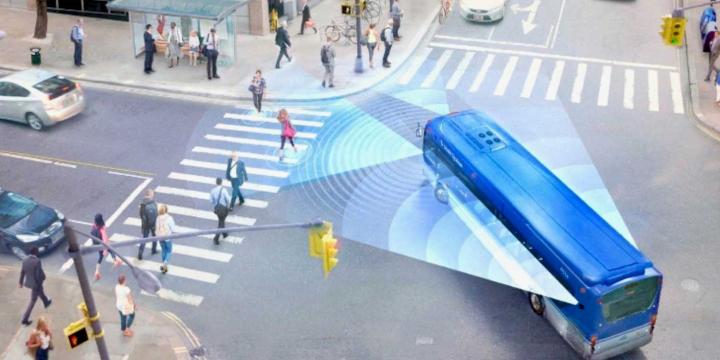
Part 2 of this course considers the opportunities and challenges of adopting autonomous vehicles for the future of the built environment, safety and urban development.


Autonomous Vehicles: Technology, Trends and Planning Concerns
Explore the technology, terminology, history, trends and concerns behind autonomous vehicles and learn about the past, present and possible future of AVs on the global landscape — and the key challenges they present to planners.
Digital Accessibility for Planners – Web
Explore techniques to make their web content created by planners accessible to people with disabilities and compliant with regulations and laws that support disability access. Examples include social media, public outreach and input mechanisms and agency and plan websites.
Generative AI, Ethics, and the Future of Urban Planning
Explore the ethical and equity implications of using generative AI in urban planning. This course addresses bias, transparency, public trust, emerging tools like digital twins, and offers practical guidance for responsible adoption.
Enhancing Public Participation with Generative AI
This tutorial shows how generative AI can enhance inclusive and responsive public participation in urban planning by summarizing feedback, tailoring outreach, and visualizing scenarios using real-world tools and examples.
Generative AI Tools and Workflows for Urban Planning
This course introduces planners to the fundamentals of Generative AI (GenAI) and its practical uses in creating text, images, videos, and designs. It highlights how these tools can enhance and streamline urban planning practice.
What Is Generative AI and Why It Matters for Urban Planning
This course introduces urban planners to Generative AI (GenAI), covering its fundamentals and demonstrating how it can create text, images, videos, and designs to enhance planning practices.
Walkable City 5: The Comfortable Walk
To encourage walking, cities must create comfortable, well-designed pedestrian environments — like outdoor living rooms — with clear orientation, shade, tree cover, and cohesive design, achievable through tools like form-based codes, urban forestry plans, and strong urban design.
Walkable City 3: The Safe Walk (A)
Pedestrian deaths are up 78% since 2009. While car use and size are long-term issues, safer street design — like narrower lanes and two-way roads — can reduce speeding now.
Walkable City 2: The Useful Walk
Learn the principal components of “the useful walk,” how zoning can create walkability and boost housing density, and why visual components are key to a walkable city.
Walkable City 1: Why Walkability?
Jeff Speck explains his five principal reasons for building more walkable places — Economics, the Environment, Public Health, Equity, and Social Cohesiveness — arming practitioners with a full range of arguments in favor of pro-walkability planning.
Decking Highways: Reconnecting Communities
This course guides communities through the highway decking process from initial visioning through planning and implementation by exploring key motivations such as community goals, equity considerations, and technical challenges.
Principles of Intersection Design
Lennart Nout and Nick Falbo explain how Dutch traffic engineers make decisions around intersection design and dissect the crown jewel of Dutch bike infrastructure: the protected bike lane intersection.
Good Speed by Design: A Network Approach to Traffic Calming
Lennart Nout explains how to slow down car traffic with a comprehensive, network-level approach that goes far beyond just speed bumps.
Introduction to Dutch Network Planning
An overview of how the Netherlands became the safest country in the world for cycling, and how other countries can replicate their success by thinking about cycling infrastructure on a network level.
Planning Communities for Maximum Transit Access
World-renowned transit planner Jarrett Walker provides an overview of how land use and transportation planners can make their communities better for transit and the people who ride it.
Design for Peace and Democracy
Explore how our designed environments can promote and support peace and democracy using historic examples of how the built environment – including parks, squares and streets – can be an instrument of oppression and serve as forums for both tyranny and uprising. We’ll return to the U.S. for stories closer to home, and frame the future in hope and optimism.
Placemaking for Innovation: Creating Innovation Ecosystems
The knowledge economy will dominate job growth by 2040, making local innovation a must. To attract the educated workforce needed to keep up, regions must focus on placemaking to create innovation ecosystems — vibrant, mixed-use areas where people can live, work, and interact.
Introduction to Transit Service Policy
Gain the tools you need to understand how public transit networks are designed and how this informs public policy.
Green Infrastructure
This course defines green infrastructure, highlights its types and benefits, discusses monetary valuation and financing, and explores its role in addressing climate change, equity, and technological change.