

Drawing & Painting Courses
- AICP CM
- CNU-A
- SACPLAN CPD


Top Drawing & Painting Instructors





Master Urban Planning Skills With A Planetizen Courses Subscription.
Sign up
High quality video lessons developed by experts.

Complete course work to receive a certificate from Planetizen.

Test your comprehension with course quizzes.

Access reading lists, articles, and other materials prepared by instructors.
All Drawing & Painting Courses
Introduction to New Mobility
The course on "New Mobility" covers the gamut of technological advancements where planning, transportation, and infrastructure design intersect.


Transit Planning: The First/Last Mile
This course covers the range of elements needed to boost access to transit, with a focus on door-to-door transportation from a destination to a transit station.
Form-Based Codes 101: Learning How To Look
This course will teach you the skills to appreciate and analyze the measures and functions of good urbanism.
Urban Design for Planners 8: Parking and Traffic
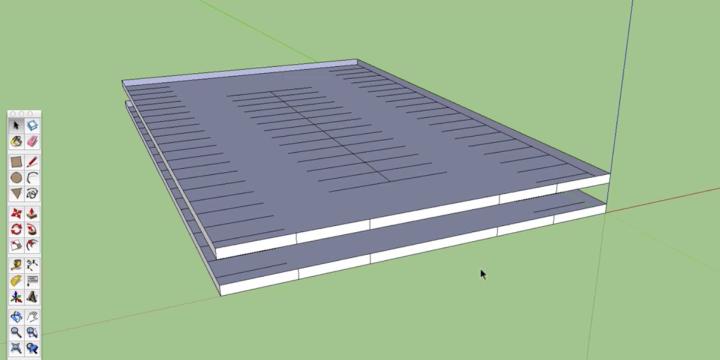
The final course in the Urban Design for Planners series addresses the automobile as part of the urban fabric. The storage of cars and high levels of congestion can be very detrimental to neighborhoods, but good design can mitigate those negative effects.
Parking Reform Made Easy
Reforming minimum parking requirements is one of the most effective ways to support Smart Growth. This course explains the many problems created by the parking regulation status quo before presenting a process for reform, providing examples of parking management tools, and discussing strategies for dealing with political and stakeholder issues.
Working with Census.gov 1: Background and Geography
This first of four courses on the Census -- Background and Geography -- will prime you to understand how the Census works, where the data comes from, as well as vital terminology and data sets you should be familiar with in the built environment.
Working with Census.gov 2: Topics, Programs, Products
This second of four courses delves deeper into the Census 'architecture'. In course 2 of "Working with Census.gov", Dr. Chris Williamson, a.k.a. Dr. Data, provides an overview on the federally mandated topics that lead to programs which ultimately produce products for the public. Course 2 also delves into such tricky topics as Census data table analysis and gives insider tips and goodies from a Census Bureau veteran.
Working with Census.gov 3: Interacting with the Data
This third of four courses takes you into a series of live demonstrations and in-depth explanations and visuals from the Census.gov and American FactFiner websites. The course covers a comprehensive navigation of the pages, tools and interactive databases that form the expansive Census website and publicly accessible data stores and produced information.
Working with Census.gov 4: Quality, Interpreting and Examples
Chris Williamson, A.K.A. "Dr. Data" completes the final episode in this four course series on the 'architecture' and 'analysis' of the Census Bureau and its many products. In course 4 students will go through a brief introduction to margin of error and a range of error and data quality analysis. Along with some examples and case studies, this course takes us into Dr. Data's own Ventura County, California for a look at some of the more challenging sampling and non-sampling errors many planners and demographers must wrestle with.
Introductory Population Analysis with Excel
Whether you're new to population analysis or just need a refresher, this course offers a comprehensive overview of the steps necessary to conduct analysis and develop projections using publicly available data. The course reviews Census data and builds skills, such as population projection, cohort survival, and concentration calculations that are essential for every professional in the planning and design community.