

Bicycle Planning Courses


- CIP
- AIA CES
- AICP CM
- SACPLAN CPD

Top Bicycle Planning Instructors








Master Urban Planning Skills With A Planetizen Courses Subscription.
Sign up
High quality video lessons developed by experts.

Complete course work to receive a certificate from Planetizen.

Test your comprehension with course quizzes.

Access reading lists, articles, and other materials prepared by instructors.
All Bicycle Planning Courses
How to Survive Your First Planning Commission Meeting
New
This course prepares new planners to confidently navigate their first planning commission meeting and understand the role these meetings play in the broader planning and decision-making process.


Public Speaking, Communication, and Influence for Planners
New
Planners regularly present complex information to decision-makers, community members and project teams, yet many early-career planners receive little training in how to communicate ideas clearly, persuasively and confidently. This course helps planners strengthen their professional voice by developing skills in storytelling, public speaking and persuasive communication.
Own Your Worth: Salary Negotiation & Strategic Career Growth for Planners
New
This course equips new planners with practical strategies to navigate compensation conversations, build a professional portfolio, and plan their long-term career growth.
The First Five Years: A Practical Land Use Toolbox for New Planners
This practical course offers an essential "land use toolbox" for early-career planners working in both the public and private sectors that outlines how core planning processes, from permits and development reviews to public meetings and everyday counter interactions, actually work in practice.
US Disability Access Laws for Planners
Explore the key disability rights laws that shape planners' work — including the Americans with Disabilities Act, the Architectural Barriers Act, the Fair Housing Act and the Rehabilitation Act of 1973 — to understand their core provisions.
Walkable City 3: The Safe Walk (A)
Pedestrian deaths are up 78% since 2009. While car use and size are long-term issues, safer street design — like narrower lanes and two-way roads — can reduce speeding now.
Walkable City 2: The Useful Walk
Learn the principal components of “the useful walk,” how zoning can create walkability and boost housing density, and why visual components are key to a walkable city.
Reinventing Malls: Planning Alchemy—Turning Gray Fields Into Gold
Explore the need and opportunity to reinvent aging mall sites into vibrant, inclusive, and economically valuable centers for 21st-century communities.
Decking Highways: Reconnecting Communities
This course guides communities through the highway decking process from initial visioning through planning and implementation by exploring key motivations such as community goals, equity considerations, and technical challenges.
Principles of Intersection Design
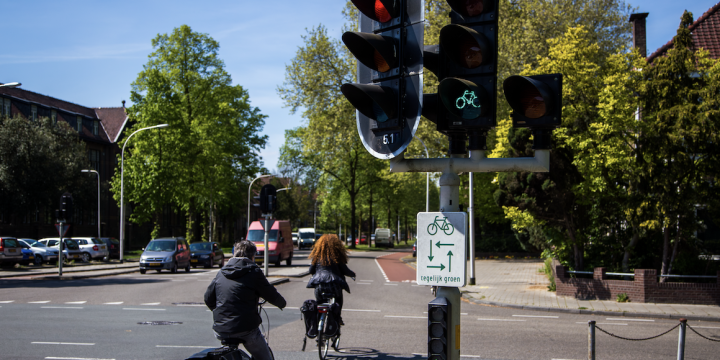
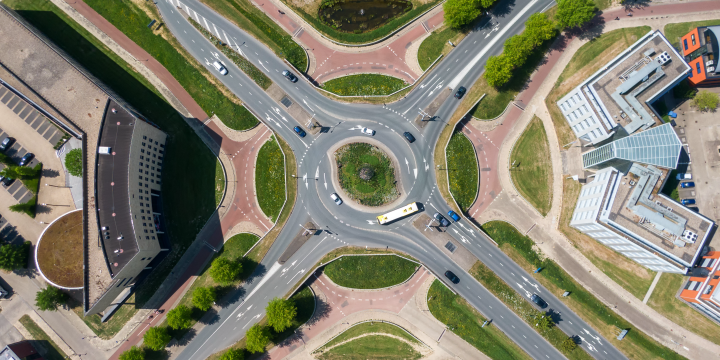
Lennart Nout and Nick Falbo explain how Dutch traffic engineers make decisions around intersection design and dissect the crown jewel of Dutch bike infrastructure: the protected bike lane intersection.
Good Speed by Design: A Network Approach to Traffic Calming
Lennart Nout explains how to slow down car traffic with a comprehensive, network-level approach that goes far beyond just speed bumps.
Walking Towards Inclusion
Walkability's many benefits can lead to an increase in the value of housing. For low-income renters, this can mean displacement. David Dixon explains the main challenges to building equitable walkability and how planners can act to allow everyone to enjoy increased walkability in existing urban neighborhoods.
Introduction to Dutch Network Planning
An overview of how the Netherlands became the safest country in the world for cycling, and how other countries can replicate their success by thinking about cycling infrastructure on a network level.
Planning Communities for Maximum Transit Access
World-renowned transit planner Jarrett Walker provides an overview of how land use and transportation planners can make their communities better for transit and the people who ride it.
Designing the Built Environment for People With Autism Spectrum Disorder
This course covers how autistic people experience urban and natural environments and the design techniques used to improve their experience.
Design for Peace and Democracy
Explore how our designed environments can promote and support peace and democracy using historic examples of how the built environment – including parks, squares and streets – can be an instrument of oppression and serve as forums for both tyranny and uprising. We’ll return to the U.S. for stories closer to home, and frame the future in hope and optimism.
Placemaking for Innovation: Creating Innovation Ecosystems
The knowledge economy will dominate job growth by 2040, making local innovation a must. To attract the educated workforce needed to keep up, regions must focus on placemaking to create innovation ecosystems — vibrant, mixed-use areas where people can live, work, and interact.
Green Infrastructure
This course defines green infrastructure, highlights its types and benefits, discusses monetary valuation and financing, and explores its role in addressing climate change, equity, and technological change.
Planning in an Era of Disruptive Change
The 21st century is a time of accelerating, disruptive change with profound implications for local communities. Unlock the planning foresight needed to navigate a rapidly changing social, economic, technological, and environmental world.
Roadways for People, Part 2
Home in on the Community Solutions Based Approach through the example of a recent project in Baltimore, Maryland to re-reroute and update an Amtrak tunnel that would affect the predominantly Black neighborhood of Reservoir Hill.