

Accessibility Courses

- CIP
- AICP CM

- AIA CES
- AICP CM

- AIA CES
- AICP CM

- CIP
- AIA CES
- AICP CM
- CIP
- AIA CES
- AICP CM


- CIP
- AIA CES
- AICP CM
- SACPLAN CPD
- CIP
- AIA CES
- AICP CM
- SACPLAN CPD


Top Accessibility Instructors








Master Urban Planning Skills With A Planetizen Courses Subscription.
Sign up
High quality video lessons developed by experts.

Complete course work to receive a certificate from Planetizen.

Test your comprehension with course quizzes.

Access reading lists, articles, and other materials prepared by instructors.
All Accessibility Courses
Virtual Reality for Planners 1: Introduction
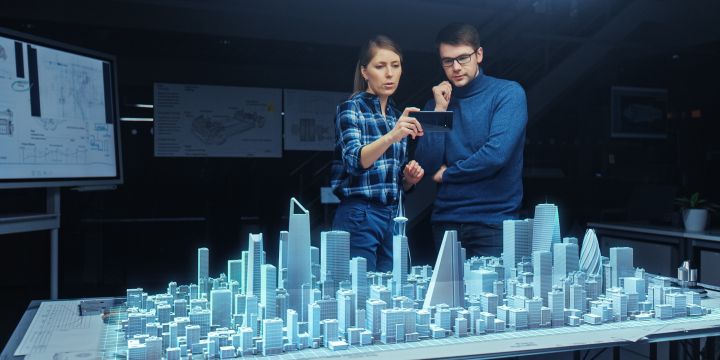
Virtual reality presents urban planners with a unique tool to create immersive virtual experiences that can inform visioning processes, design decision-making, and community engagement. Learn about the evolution of virtual reality technology, its key vocabulary and logistics, the benefits of virtual reality over traditional media, and what the future of public engagement may hold.

