

Accessibility Courses

- AIA CES
- AICP CM

- AIA CES
- AICP CM

- CIP
- AIA CES
- AICP CM
- CIP
- AIA CES
- AICP CM

- CIP
- AIA CES
- AICP CM
- SACPLAN CPD

- CIP
- AIA CES
- AICP CM
- SACPLAN CPD

- CIP
- AICP CM
Top Accessibility Instructors








Master Urban Planning Skills With A Planetizen Courses Subscription.
Sign up
High quality video lessons developed by experts.

Complete course work to receive a certificate from Planetizen.

Test your comprehension with course quizzes.

Access reading lists, articles, and other materials prepared by instructors.
All Accessibility Courses
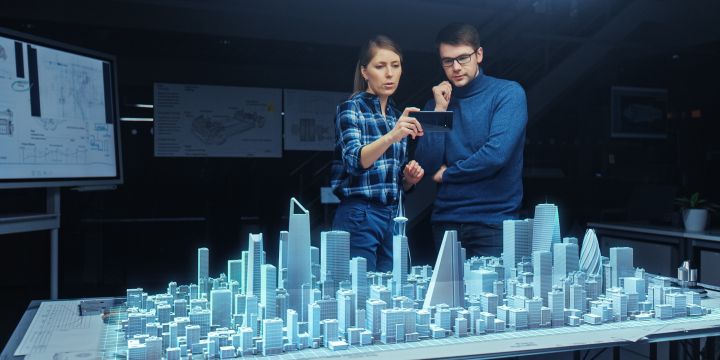
Urban Design for Planners 1: Software Tools
Urban planners and urban designers are interested in building places that embody beauty and hope. In this course, Emily Talen, PhD, FAICP, presents free urban design software tools that can help urban planners and urban designers visualize changes in the built environment to support the overarching goal of creating better places.


Geoanalysis with ArcGIS and Google Earth
Combining ArcGIS and Google Earth allows for a convenient, powerful way to create and share professional, accurate spatial visualizations of geographical analysis to a wide audience. This course explores how to prep shape files for ingestion into Google Earth, share city data with the public, and aid in pre-visualizing via geo-referencing around potential development sites.