

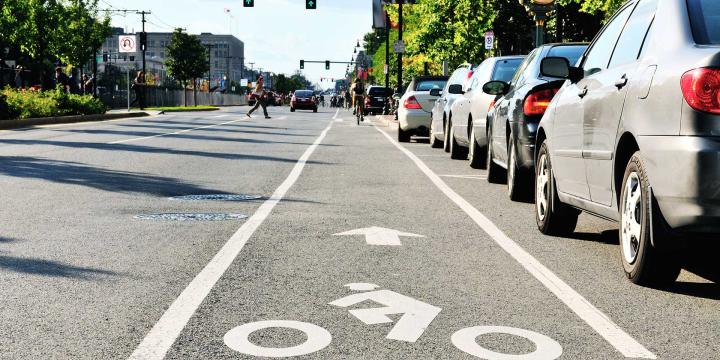
Bicycle planning focuses on how streets, sidewalks, transit facilities, and other features of the public realm serve people riding bicycles. Bicycle planners design various forms of bike infrastructure—such as paths, protected lanes, and bike-friendly intersections—that facilitate safe, convenient access to roads for bicyclists and reduce the potential for dangerous interactions between bikes, vehicles, and pedestrians. Effective bike planning can create safe, inclusive public spaces for a variety of micromobility devices and pedestrians.
Bicycle Planning Courses




66 Mins
- CIP
- AIA CES
- AICP CM
- SACPLAN CPD



58 Mins
- CIP
- AIA CES
- AICP CM

55 Mins
- AIA CES
- AICP CM

54 Mins
- AIA CES
- AICP CM
- CNU-A
- SACPLAN CPD

Top Bicycle Planning Instructors

Lennart Nout
Lennart is an urban mobility design consultant, specializing in design and planning of bicycle networks and...

Adam Fine
Adam is the Director of experiential graphic design at Nova Scotia-based Fathom Studio and has worked...

Lisa Nisenson
Lisa Nisenson has 20 years of experience and leadership in smart growth, sustainable development and civic...

Jeff Speck
Jeff Speck is a city planner who advocates internationally for more walkable cities.

Nick Falbo
Nick is an urban transportation planner specializing in the design of transportation networks, spaces for people...

John Hersey
John is a planner with two decades of experience critically evaluating and advancing transit-oriented development as...

Chris Holtkamp
Chris Holtkamp is a certified planner and is an Assistant Professor of Environmental Planning at the...

William Riggs
William (Billy) Riggs, Ph.D., AICP, LEED AP is a nationally recognized professor, consultant, and strategist.
Michelle DeRobertis
Michelle DeRobertis, P.E. serves as Principal at Transportation Choices for Sustainable Communities.
Master Urban Planning Skills With A Planetizen Courses Subscription.
Sign up
High quality video lessons developed by experts.

Complete course work to receive a certificate from Planetizen.

Test your comprehension with course quizzes.

Access reading lists, articles, and other materials prepared by instructors.
All Bicycle Planning Courses
Understanding the Content and Process for Determining Ethical Conduct
Instructor: Carol D. Barrett
This course reviews the new organizational structure of the AICP Code of Ethics, along with an extended examination of the new procedures for advisory rulings and adjudication.

