

Accessibility Courses
- CIP
- AIA CES
- AICP CM
- CIP
- AIA CES
- AICP CM
- SACPLAN CPD
- CIP
- AIA CES
- AICP CM
- SACPLAN CPD



- CIP
- AICP CM

- AIA CES
- AICP CM

- AIA CES
- AICP CM

- CIP
- AIA CES
- AICP CM
Top Accessibility Instructors






Master Urban Planning Skills With A Planetizen Courses Subscription.
Sign up
High quality video lessons developed by experts.

Complete course work to receive a certificate from Planetizen.

Test your comprehension with course quizzes.

Access reading lists, articles, and other materials prepared by instructors.
All Accessibility Courses
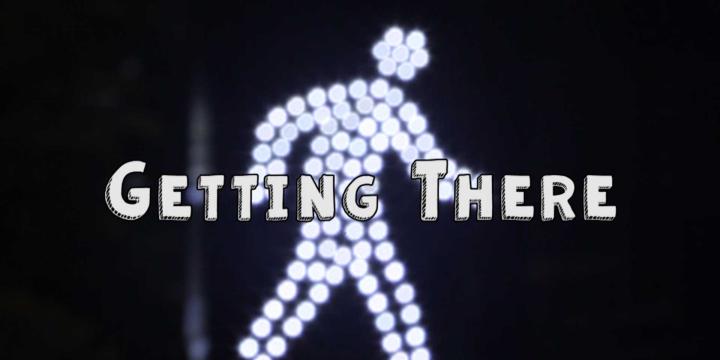
Getting There
Getting There was produced by planners in New Hampshire to inform other planners of the concepts and benefits of universal design. The big idea illustrated by the film is that a built environment designed with the needs of the visually impaired in mind would be universally accessible for every single member of the community.


The Social Life of Small Urban Spaces
What makes good public spaces work, and why are some public spaces underused? Over the course of this film, William Whyte details insights into seven basic factors of successful public spaces: suitable space, interaction with the street, the sun, food, water, trees, and, finally, a term Whyte calls triangulation, or the ability of a public space to bring people together.