

Ethics Courses



- AICP CM
- CNU-A
- SACPLAN CPD

- AICP CM
- CNU-A
- SACPLAN CPD




- AICP CM



- AICP CM
- CNU-A
- SACPLAN CPD

- AICP CM
- CNU-A
- SACPLAN CPD
Top Ethics Instructors




Master Urban Planning Skills With A Planetizen Courses Subscription.
Sign up
High quality video lessons developed by experts.

Complete course work to receive a certificate from Planetizen.

Test your comprehension with course quizzes.

Access reading lists, articles, and other materials prepared by instructors.
All Ethics Courses
Walkable City 6: The Interesting Walk
People are most interested in other people — so an appealing walk is one shaped by urban design that hides parking lots, avoids blank walls and monotony, shows signs of human habitation and craftsmanship, celebrates regional character, and offers a human scale.


Walkable City 5: The Comfortable Walk
To encourage walking, cities must create comfortable, well-designed pedestrian environments — like outdoor living rooms — with clear orientation, shade, tree cover, and cohesive design, achievable through tools like form-based codes, urban forestry plans, and strong urban design.
Walkable City 2: The Useful Walk
Learn the principal components of “the useful walk,” how zoning can create walkability and boost housing density, and why visual components are key to a walkable city.
Reinventing Malls: Planning Alchemy—Turning Gray Fields Into Gold
Explore the need and opportunity to reinvent aging mall sites into vibrant, inclusive, and economically valuable centers for 21st-century communities.
Walkable City 1: Why Walkability?
Jeff Speck explains his five principal reasons for building more walkable places — Economics, the Environment, Public Health, Equity, and Social Cohesiveness — arming practitioners with a full range of arguments in favor of pro-walkability planning.
The Good Street: A New Methodology for Balancing Place and Flow
International urban design consultant Lennart Nout explains the Dutch method for balancing conflicts between urban vibrancy and traffic flow and between different modes of transportation.
Resilience Planning for Heat and Drought Events
Learn how cities can prepare their infrastructure and social services for heat waves and droughts in a warming world.
Planning Communities for Maximum Transit Access
World-renowned transit planner Jarrett Walker provides an overview of how land use and transportation planners can make their communities better for transit and the people who ride it.
Introduction to GIS, Part 2
Take the next step into the world of Geographic Information Systems (GIS) and ArcGIS Pro with an overview of navigation, map projections, and essential map design principles.
Design for Peace and Democracy
Explore how our designed environments can promote and support peace and democracy using historic examples of how the built environment – including parks, squares and streets – can be an instrument of oppression and serve as forums for both tyranny and uprising. We’ll return to the U.S. for stories closer to home, and frame the future in hope and optimism.
Placemaking for Innovation: Creating Innovation Ecosystems
The knowledge economy will dominate job growth by 2040, making local innovation a must. To attract the educated workforce needed to keep up, regions must focus on placemaking to create innovation ecosystems — vibrant, mixed-use areas where people can live, work, and interact.
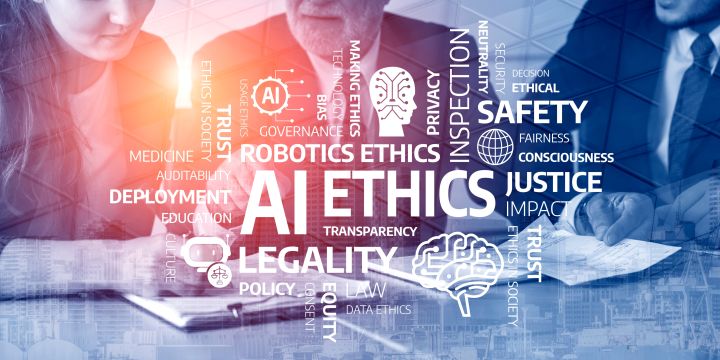
Navigating the Ethical Landscape for AI in Urban Planning
Uncover some of the largest ethical issues related to using AI in urban planning and the steps cities around the world are taking to ensure fairness, honesty, and accountability as this revolutionary technology becomes more embedded in the modern world.
Demystifying AI: Terminology, Tools, and Techniques for Urban Planners
Understanding the basics of artificial intelligence, or AI, is increasingly important for urban planners. Learn the capabilities, limitations, and language of emerging technologies that utilize AI methods.
Planning in an Era of Disruptive Change
The 21st century is a time of accelerating, disruptive change with profound implications for local communities. Unlock the planning foresight needed to navigate a rapidly changing social, economic, technological, and environmental world.
Roadways for People, Part 1
Using Portland's I-5 Rose Quarter Improvement Project as a central case study, Lynn Peterson and co-instructor Elizabeth Doerr explore why and how we need a more inclusive, people-centered transportation planning process.
The 21st Century Comprehensive Plan
Uncover the emerging and valuable qualities of the 21st century comprehensive plan that can be used to define visions for the future, including robust community engagement, crosscutting themes, and an accountable implementation program.
Landscape Design for Social Sustainability, Part 2
Continue exploring how designers can create built environments that foster vibrant, engaged communities through contemporary theories and case study examples around social sustainability in landscape design.
Landscape Design for Social Sustainability, Part 1
Discover how and why the built environment succeeds or fails at supporting thriving, diverse communities, and how designers can create mechanisms that allow communities to enjoy and improve their environments to suit their needs and desires.
Arbitrary Lines: How Zoning Broke the American City and How to Fix it
Nolan Gray presents the complex history of zoning regulation, showing how major legislative decisions led to the country's current state of car reliance, sprawl, and inequity. Now, zoning reform is in the air. But why stop at mere reform?
History of U.S. Landscape Architecture, Part 1
Kristin Faurest explores the history of the profession of landscape architecture from its origins through the 1960s, providing a vibrant global context of how humankind has shaped its landscape over the ages.