

Disaster Planning Courses
Top Disaster Planning Instructors

Master Urban Planning Skills With A Planetizen Courses Subscription.
Sign up
High quality video lessons developed by experts.

Complete course work to receive a certificate from Planetizen.

Test your comprehension with course quizzes.

Access reading lists, articles, and other materials prepared by instructors.
All Disaster Planning Courses
Planning Implications and Design for AV Futures
Part 2 of this course considers the opportunities and challenges of adopting autonomous vehicles for the future of the built environment, safety and urban development.


Walkable City 1: Why Walkability?
Jeff Speck explains his five principal reasons for building more walkable places — Economics, the Environment, Public Health, Equity, and Social Cohesiveness — arming practitioners with a full range of arguments in favor of pro-walkability planning.
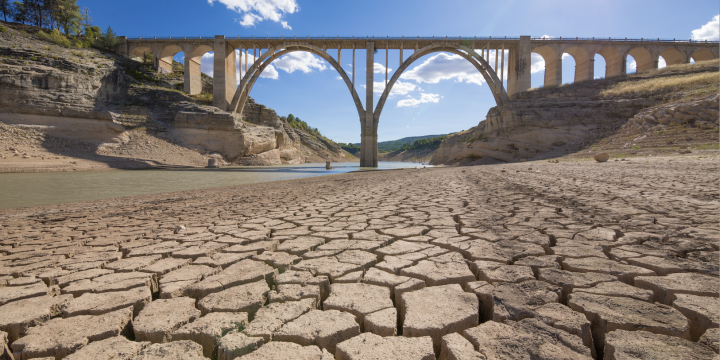
Resilience Planning for Heat and Drought Events
Learn how cities can prepare their infrastructure and social services for heat waves and droughts in a warming world.
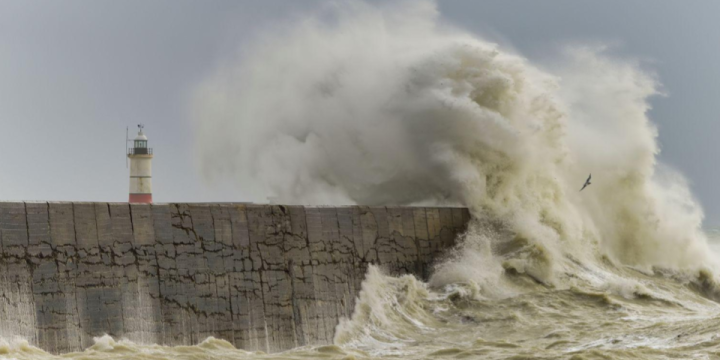
Resilience Planning for Coastal Hazards
Across the world, sea levels are rising and storm surge events are intensifying, while development is increasing in vulnerable coastal areas and groundwater depletion is causing land to sink. Urban planners are uniquely positioned to join the battle against rising seas.
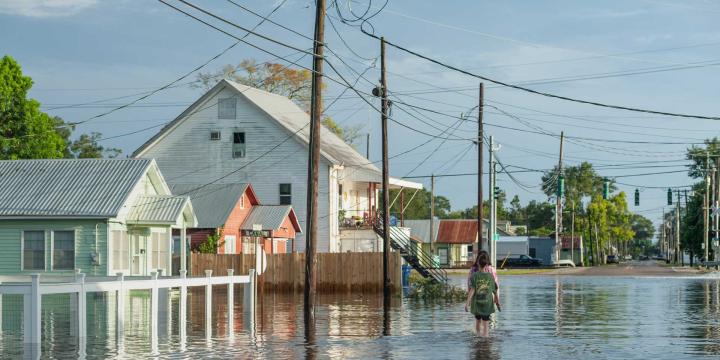
Resilience Planning for Floods
This course builds on the "Introduction to Resilience Planning" course and uses the approach presented there as the framework for addressing flood threats in communities.
Form-Based Codes 101: Learning How To Look
This course will teach you the skills to appreciate and analyze the measures and functions of good urbanism.