

The Walkable City

Walkable City 1: Why Walkability?
Jeff Speck explains his five principal reasons for building more walkable places — Economics, the Environment, Public Health, Equity, and Social Cohesiveness — arming practitioners with a full range of arguments in favor of pro-walkability planning.
Walkable City 2: The Useful Walk
Learn the principal components of “the useful walk,” how zoning can create walkability and boost housing density, and why visual components are key to a walkable city.
Walkable City 3: The Safe Walk (A)
Pedestrian deaths are up 78% since 2009. While car use and size are long-term issues, safer street design — like narrower lanes and two-way roads — can reduce speeding now.
Walkable City 4: The Safe Walk (B)
Explore how Vision Zero street design reduces speeding by addressing lane width, parking, street trees, intersections, signals, cycling, and pedestrian zones, with case studies from Lancaster, California, and Queens, New York.
Walkable City 5: The Comfortable Walk
To encourage walking, cities must create comfortable, well-designed pedestrian environments — like outdoor living rooms — with clear orientation, shade, tree cover, and cohesive design, achievable through tools like form-based codes, urban forestry plans, and strong urban design.
Walkable City 6: The Interesting Walk
People are most interested in other people — so an appealing walk is one shaped by urban design that hides parking lots, avoids blank walls and monotony, shows signs of human habitation and craftsmanship, celebrates regional character, and offers a human scale.
Walkable City 7: The Planner's Pledge
North America’s car-dependent landscape stems from planning’s past focus on zoning and highways, causing social, economic, and environmental harm. The Planner’s Pledge calls on planners to acknowledge these mistakes and commit to a sustainable, equitable, walkable urbanism.
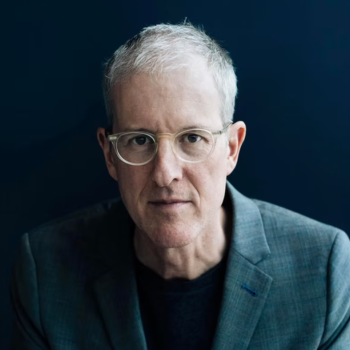
Course Instructors

Earn a Certificate
Demonstrate your achievements, or just show off.
Suggested Courses
Browse all courses
Jonathan Katz-Ouziel, Thomas Hamed

Sloan Campi

Jonathan Katz-Ouziel, Thomas Hamed